Choosing A Home Style In Travis Heights’ Luxury Market
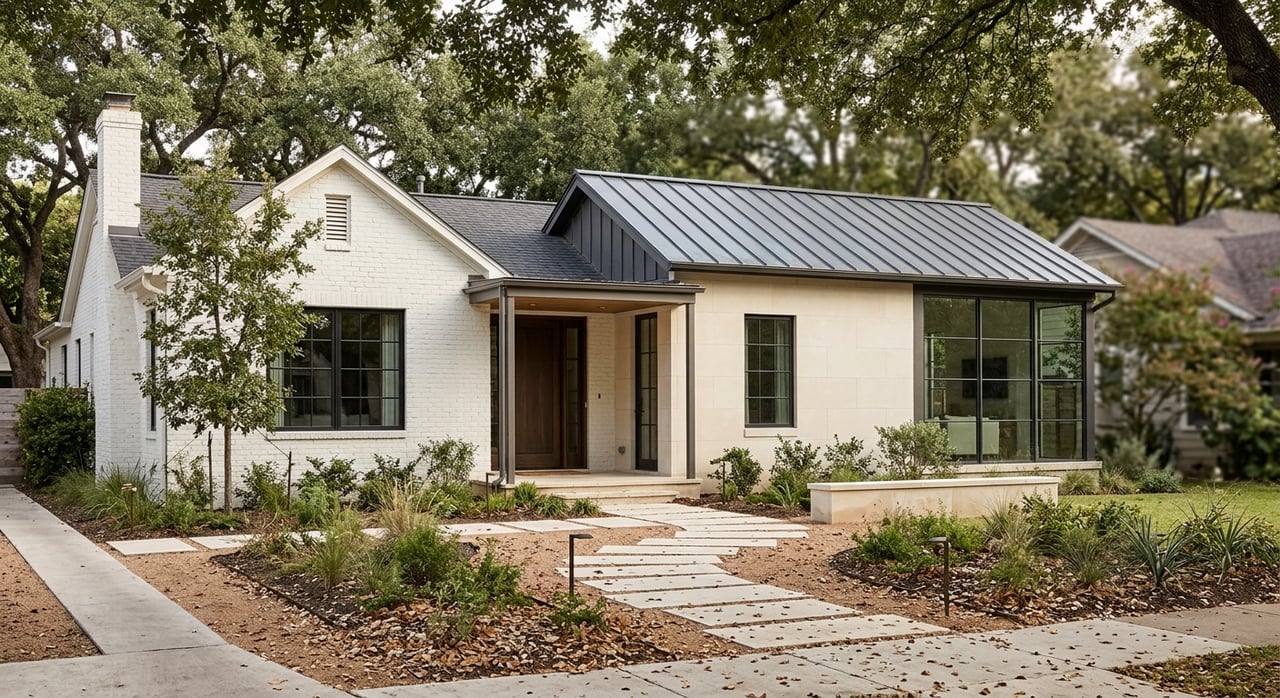
What kind of luxury home actually fits the way you want to live in Travis Heights? In a neighborhood where a bungalow, a Tudor Revival home, and a modern infill build can sit within blocks of each other, the right choice is rarely about square footage alone. If you are trying to balance character, privacy, upkeep, and long-term value, this guide will help you compare the main home styles in Travis Heights and understand how the neighborhood’s lots, slopes, and historic context shape your decision. Let’s dive in.
Travis Heights is not a one-note luxury neighborhood. It developed over time, with Fairview Park beginning in 1886 on hilly land with creeks, terraces, and large irregular lots, and Travis Heights proper following in 1913 with both curving and grid streets and a range of lot sizes.
That layered history is still visible today. The area includes Victorian-era survivors, Craftsman homes, period-revival architecture, ranch properties, and newer infill construction, which means your home style decision is also a decision about lot shape, street presence, and renovation flexibility.
In many neighborhoods, style is mostly aesthetic. In Travis Heights, it also affects privacy, maintenance, and what you may be able to change over time.
The neighborhood was listed on the National Register in 2021, and Mary Street is the current local historic district within Travis Heights-Fairview Park. In Austin, homes in local historic districts are subject to review for exterior changes, additions, permanent site work, and new stand-alone construction, so it is smart to think about future plans before you buy.
Travis Heights commands premium pricing, but it is not a uniform market. April 2026 data showed a median listing price of $1.4 million in the historic district, while Travis Heights sale data showed a median sale price of $926,000.
That spread reflects how much value can change from one property to the next. In this neighborhood, price often depends on the exact home type, lot quality, condition, and how well the property works with its site.
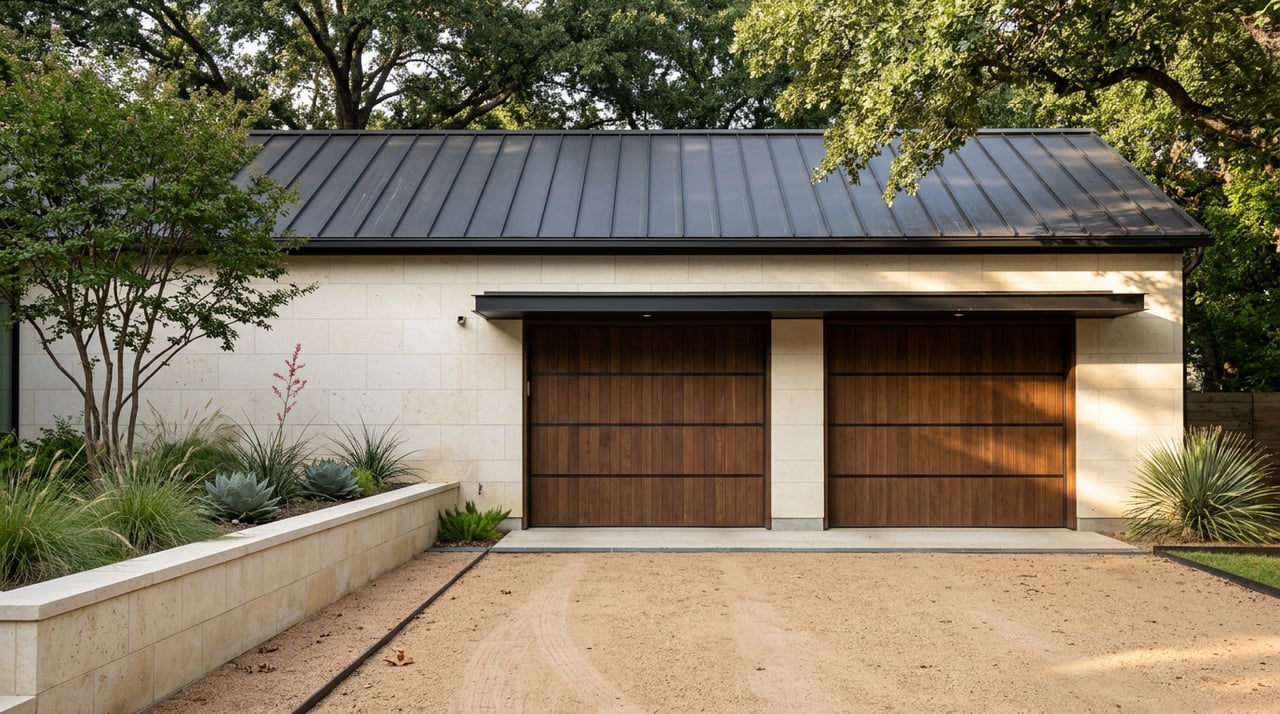
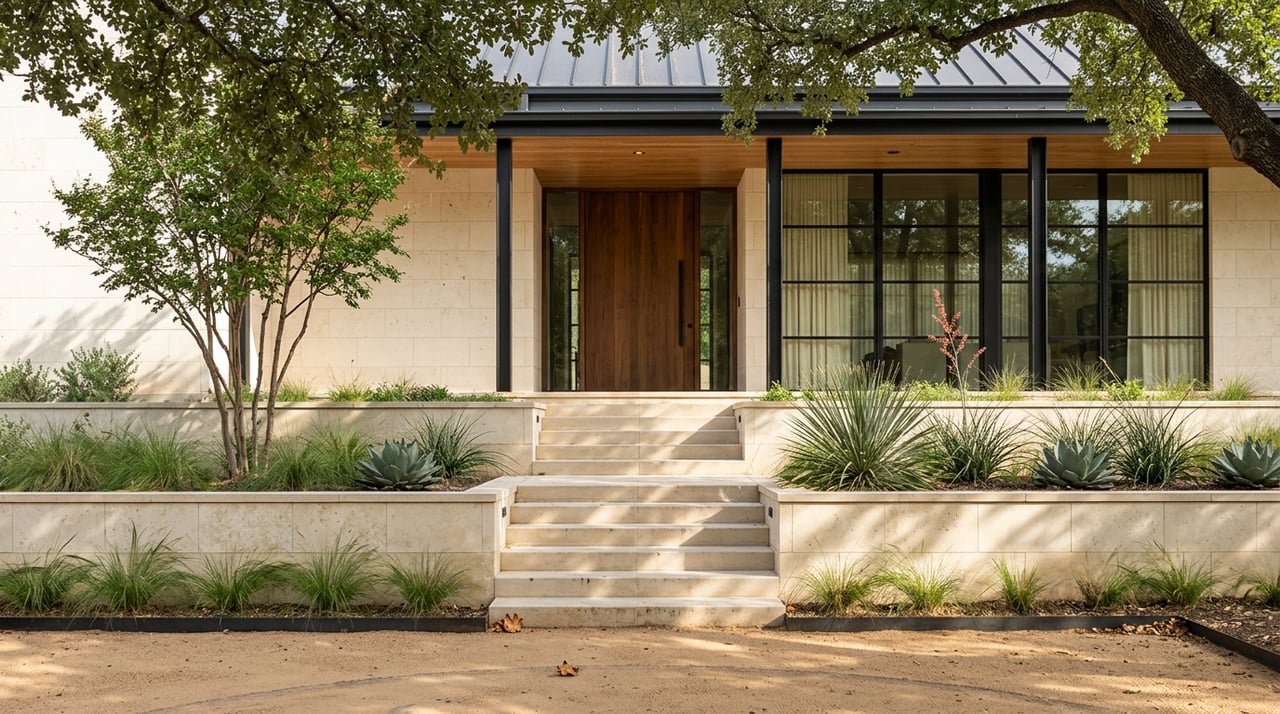
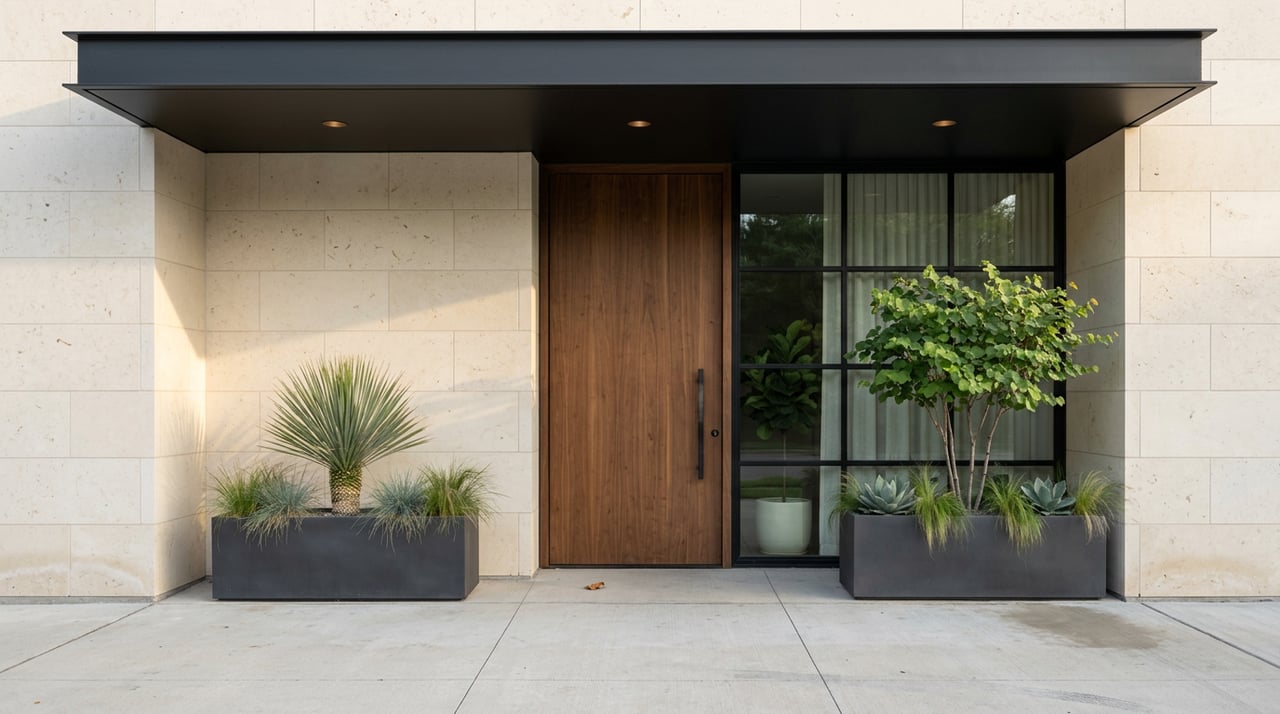
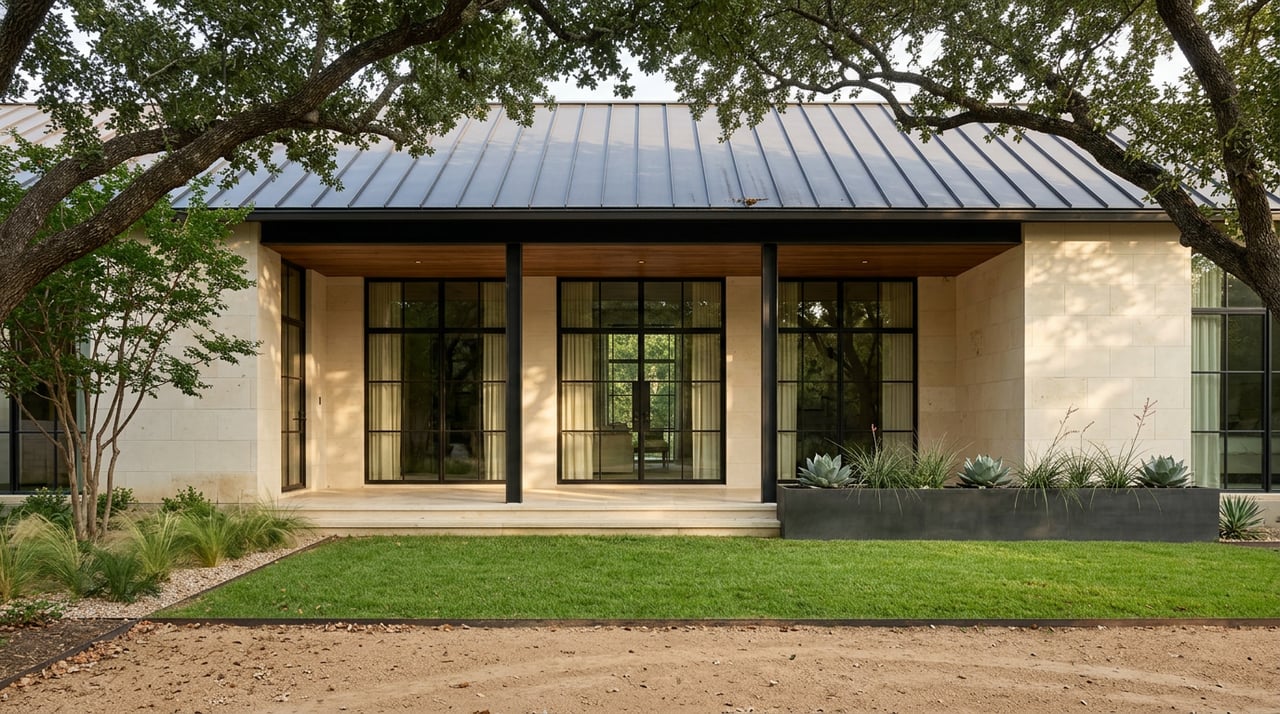
Newer modern homes in Travis Heights tend to be more site-specific than older houses. Recent examples show two-story and three-story contemporary builds with flat or compound rooflines, low-profile massing, habitable basements, and garages or carports placed at the alley or rear.
If you want cleaner lines, newer systems, and a layout built for today’s lifestyle, this style can be compelling. On narrow or sloped lots, modern design often uses vertical space well and shifts daily activity toward the rear of the property, which can create more privacy from the street.
These homes may appeal most if your priorities include lower day-to-day upkeep and a more turnkey living experience. That said, quality can vary, so the execution matters just as much as the style label.
For many buyers, this is the sweet spot in Travis Heights. These homes often keep their original one-story or one-and-a-half-story street-facing character, then add livable square footage through rear additions, detached guest houses, or updated back-of-lot improvements.
This pattern shows up repeatedly in recent city review cases. The front elevation stays modest and recognizable, while the rear of the lot does more of the functional work.
If you want charm without giving up everyday usability, an updated bungalow or Craftsman home can offer a strong middle ground. You may get the warmth of porches, established curb appeal, and a more classic Travis Heights feel, along with modernized kitchen, bath, or guest space behind the original structure.
Some of the most memorable homes in Travis Heights fall into this category. The neighborhood includes Tudor Revival houses, mixed Mission, Tudor, and Swiss designs, Neoclassical or Greek Revival examples, Victorians, and even mid-century modern properties.
These homes often deliver the strongest sense of architectural identity. If you are drawn to original materials, period details, rooflines, windows, or porches that tell a story, this is where Travis Heights can feel especially special.
They also tend to be the most preservation-sensitive. When a historic home still retains key original features, future updates may require more care, more planning, and a clearer respect for the home’s existing form.
Fairview Park was designed around hilly terrain, which created larger, irregular lots that followed the contours of the land. In practical terms, these sites can offer more separation from neighbors and a stronger sense of privacy.
If outdoor living, buffering, or a more tucked-away setting matter to you, these lots are often worth close attention. They can also support more tailored design solutions, especially when the home is set back thoughtfully or oriented around the slope.
Not every lot in Travis Heights feels expansive. Later development and subdivision created narrower parcels on some blocks, and those sites usually ask more from the design.
On these lots, privacy often comes from courtyards, rear yards, alley access, or vertical massing rather than simple lot width. A well-designed modern home can perform very well here, but the fit between house and site becomes especially important.
If privacy is at the top of your list, the most private options are often larger irregular lots, hillside sites, and well-designed rear-set modern homes. Homes that move parking to an alley or rear access point can also reduce the visual and functional presence of cars at the front of the property.
That does not mean a historic or bungalow-style home cannot feel private. It simply means the lot and layout matter as much as the architecture, and sometimes more.
In general, newer contemporary construction usually has the lowest day-to-day maintenance burden. Because the systems and exterior envelope are newer, you may face fewer immediate concerns around roofing, windows, drainage, or major mechanicals.
For buyers who want a lock-and-leave feel or a simpler ownership experience, that can be a major advantage. It is one reason many luxury buyers look closely at newer construction in this part of Austin.
With older bungalows and period homes, upkeep depends heavily on renovation history. Two houses in the same style can feel completely different if one has been thoroughly updated and the other has deferred maintenance.
In Travis Heights, older homes often need closer attention to windows, porches, roofing, drainage, and repairs that fit the architecture appropriately. If you love character, it is worth looking past the surface and asking how extensively the home has been restored.
One of the clearest signals in Travis Heights is how successful renovations tend to be handled. Recent city review cases show a repeated pattern: remove non-historic rear additions, place new additions at the back, rebuild detached garages into carports or guest houses, orient parking to the alley, and keep new rooflines low enough that the front still reads as modest.
That matters because it shows what tends to work in both design and neighborhood context. In Travis Heights, the market often responds well when a home preserves its public-facing character and improves function behind the original structure.
A newer contemporary home is usually the easiest option to manage. It can offer updated systems, efficient use of smaller or sloped lots, and a more turnkey ownership experience.
An intact bungalow, Tudor Revival home, Victorian-era house, or other architecturally distinctive property usually offers the strongest sense of place. These homes often feel the most emotionally compelling, but they may also require more careful stewardship.
An updated bungalow or Craftsman home often gives you the best mix of charm and livability. You keep the recognizable Travis Heights street presence while gaining more functional space through thoughtful rear improvements.
Look closely at larger irregular lots, hillside settings, and homes that place activity toward the rear of the site. In this neighborhood, privacy is often created by lot utility and orientation, not just by square footage.
In Travis Heights, the best long-term value is usually not the house with the biggest footprint. It is often the property where style, lot, condition, and renovation potential work together cleanly.
That is especially important in a neighborhood with broad price dispersion and varied housing stock. A home that respects the site, functions well today, and can be improved without fighting slope, setbacks, or historic review tends to be a smarter luxury purchase than one that simply looks impressive on paper.
If you are weighing options in Travis Heights, it helps to look beyond labels like modern, bungalow, or historic. The better question is how the home lives on its lot, how much flexibility it offers, and whether its design integrity matches your goals now and over time.
For a tailored view of Travis Heights opportunities, including architecturally significant homes, updated period properties, and discreet luxury listings, connect with Kumara Wilcoxon.
Stay up to date on the latest real estate trends.
An Insider's Guide to Luxury Homebuying in Austin.

Ranked No. 1 in Austin, No. 2 in Texas, and No. 31 nationwide by 2026 RealTrends Verified sales volume.
Global Connections. Local Expertise. World Class Marketing.
Let me know how I can assist you.
