By Kumara Wilcoxon
Austin is one of those cities that people hear about for years before they arrive and still manage to underestimate. The music, the food, the outdoor access, the creative energy, the weather that feels like summer for eight months of the year: all of it is real, and none of it fully prepares you for what it actually feels like to live here. I've built my career and my life in this city, and the thing I hear most often from buyers after they've settled in is that they wish they'd moved sooner. Here's my honest take on what makes Austin worth choosing.
Key Takeaways
Austin's creative and cultural identity is genuine and self-sustaining in ways that newer growth cities haven't replicated
The outdoor access within and immediately around the city is exceptional by any major metro standard
A diversified economy anchored by technology, music, film, and education creates a community of people who chose to be here intentionally
A City That Chose Its Own Identity
What distinguishes Austin from other rapidly growing Sun Belt cities is that its character preceded its growth rather than being manufactured to attract it. The music scene on Sixth Street and Red River, the creative communities in East Austin, the outdoor culture built around Barton Creek and Lady Bird Lake: all of these were established by people who chose Austin for what it was before anyone was paying national attention. That authenticity is what the "Keep Austin Weird" ethos was always really about, and it persists in the neighborhoods and communities that have resisted the pressure to become interchangeable with everywhere else.
Where Austin's Identity Shows Up in Daily Life
The live music culture that operates year-round across venues from intimate Red River clubs to outdoor amphitheaters and the world's largest music festival at South by Southwest
A food scene that has evolved from barbecue and Tex-Mex into one of the most genuinely diverse and critically recognized restaurant landscapes in the South
East Austin's creative corridor along East Sixth and the surrounding streets where independent businesses, art studios, and community spaces reflect a neighborhood still in authentic conversation with its own evolution
A civic culture that takes preservation of what makes the city worth living in seriously, even as growth creates pressure on the spaces and businesses that built the identity
The Outdoor Life That Comes Standard
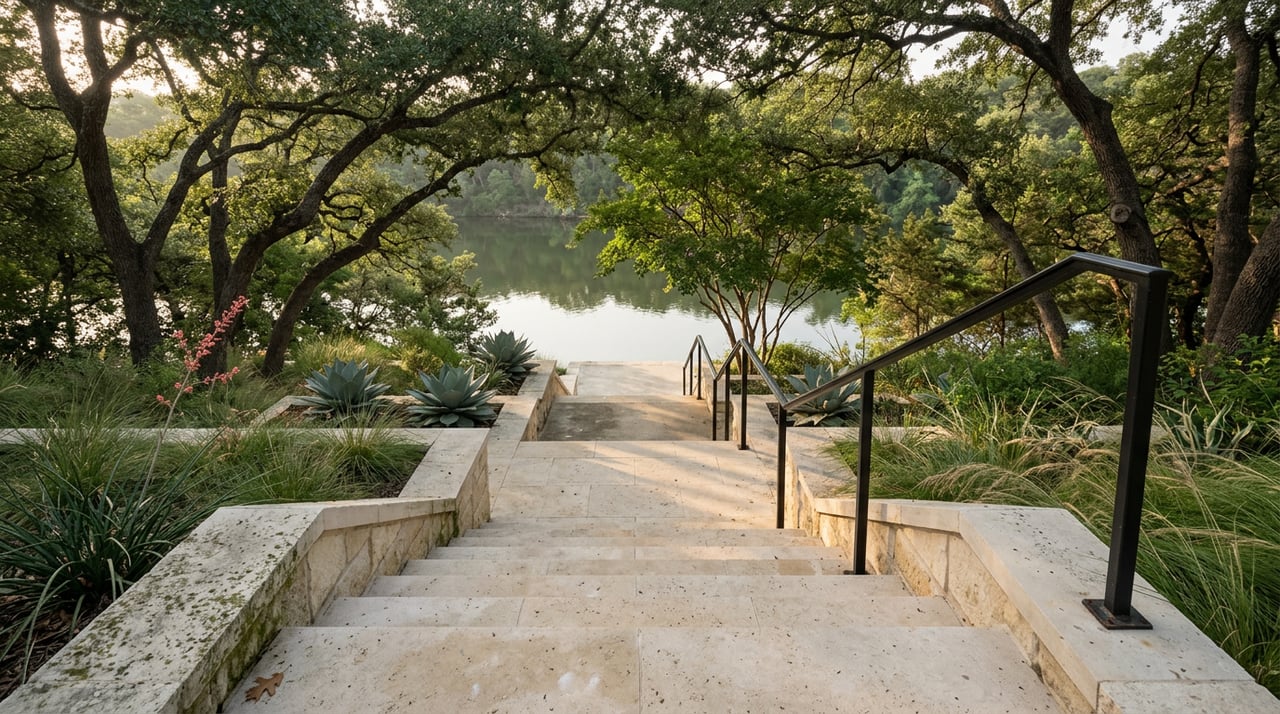
Living in Austin, Texas, means having outdoor access woven into the fabric of daily life in a way that most major cities can't offer. The Barton Creek Greenbelt runs through the city's limestone canyon terrain and connects to a network of green spaces that makes a morning hike or a swim in natural water genuinely available on a Tuesday. Lady Bird Lake's hike and bike trail circles the Colorado River through the heart of downtown. The Hill Country begins within 30 minutes of the urban core and extends the outdoor menu into genuine wilderness.
What the Outdoor Infrastructure Actually Looks Like
Barton Creek Greenbelt providing 12 miles of canyon trail with swimming holes accessible from multiple city neighborhoods
The Lady Bird Lake trail system connecting downtown Austin to the surrounding neighborhoods with a 10-mile loop that draws thousands of runners, cyclists, and walkers daily
Barton Springs Pool, a natural spring-fed pool in Zilker Park that maintains a consistent 68-degree temperature year-round and serves as the city's outdoor living room
The Hill Country within day trip range providing state parks, swimming holes on the Guadalupe and Pedernales rivers, and the kind of wide-open landscape that reminds you how big Texas actually is
The Economy That Brings People Here
Austin's economic transformation over the past two decades has been remarkable, and the tech sector that now anchors the employment base has attracted a talent pool that reshapes the city's restaurants, cultural institutions, and neighborhoods with every passing year. The combination of the University of Texas, the state government, a globally significant music and film industry, and the technology companies that have chosen Austin as their home creates an employment diversity that protects the city's economy in ways that single-industry towns can't match.
The Economic Pillars Supporting Austin's Growth
Apple, Tesla, Oracle, Google, and dozens of other major technology employers whose Austin presence has accelerated dramatically in recent years
The University of Texas at Austin contributing research, talent, and cultural programming that gives the city an intellectual energy comparable to much older university towns
South by Southwest and Austin City Limits Music Festival driving a creative economy that extends well beyond the weeks those events occupy the calendar
A startup and venture capital ecosystem that has produced nationally significant technology companies and continues to attract founders who want the talent pool without the cost structure of the coasts
The Honest Part
Austin's growth has produced genuine challenges alongside its energy, and I think buyers deserve an honest picture rather than a promotional one. Traffic on I-35 and MoPac tests the patience of even the most committed Austin enthusiasts. The cost of living has risen meaningfully relative to the Austin of a decade ago. Some of the neighborhoods and businesses that defined the city's character have been displaced by development pressure. These are real considerations that factor into where and how people choose to live here.
What the Growth Challenges Mean for Buyers
Neighborhood selection matters more than in most cities because the Austin experience varies significantly between the inner city, established suburbs, and newer growth corridors
Traffic patterns and commute planning deserve specific attention before committing to a home's location relative to work and daily destinations
The cost of living conversation now includes Austin alongside other major metros in a way that wasn't true five years ago, which affects the financial planning that should precede any purchase
The city's character is still worth protecting and engaging with, which means buyers who show up and participate in Austin's community life get more out of it than those who treat it as a backdrop
Frequently Asked Questions
Is Austin still a good place to move for someone coming from a high cost of living market?
For most buyers coming from San Francisco, New York, Seattle, or comparable markets, Austin still represents a meaningful improvement in what their housing dollar can achieve. The gap has narrowed considerably, but the combination of no state income tax, generally lower housing costs than comparable coastal metros, and an employment market that pays competitive salaries continues to make the financial case for Austin compelling for the right buyer profile.
What neighborhoods should I prioritize as a first-time Austin buyer?
It depends almost entirely on how you want to live. Hyde Park and Bouldin Creek offer walkable urban neighborhood character with established tree canopy and community identity. South Congress and South Lamar provide proximity to Austin's most active commercial corridors. East Austin delivers the city's most dynamic evolving neighborhood energy. Westlake and the Hill Country communities beyond the city limits offer more space and a different pace. I always have this conversation specifically rather than generically because the right Austin neighborhood is a personal match, not a universal recommendation.
How does Austin's culture hold up against its reputation?
Genuinely well, though the experience requires some navigation. The live music scene, the food culture, the outdoor access, and the creative community are all real and all accessible to people who engage with them. What the reputation sometimes oversells is the effortlessness of it: Austin's best qualities reward participation and curiosity rather than just proximity. Buyers who show up ready to explore tend to find exactly what the reputation promised.
Reach Out to Kumara Wilcoxon
Austin is a city I believe in deeply, and helping buyers find their specific place within it is work I find genuinely meaningful. Whether you're relocating from another state, moving within Texas, or simply trying to understand what neighborhood fits how you want to live, I'd love to be part of that conversation.
Reach out to me at
Kumara Wilcoxon. I'd love to help you find your Austin.