By Kumara Wilcoxon
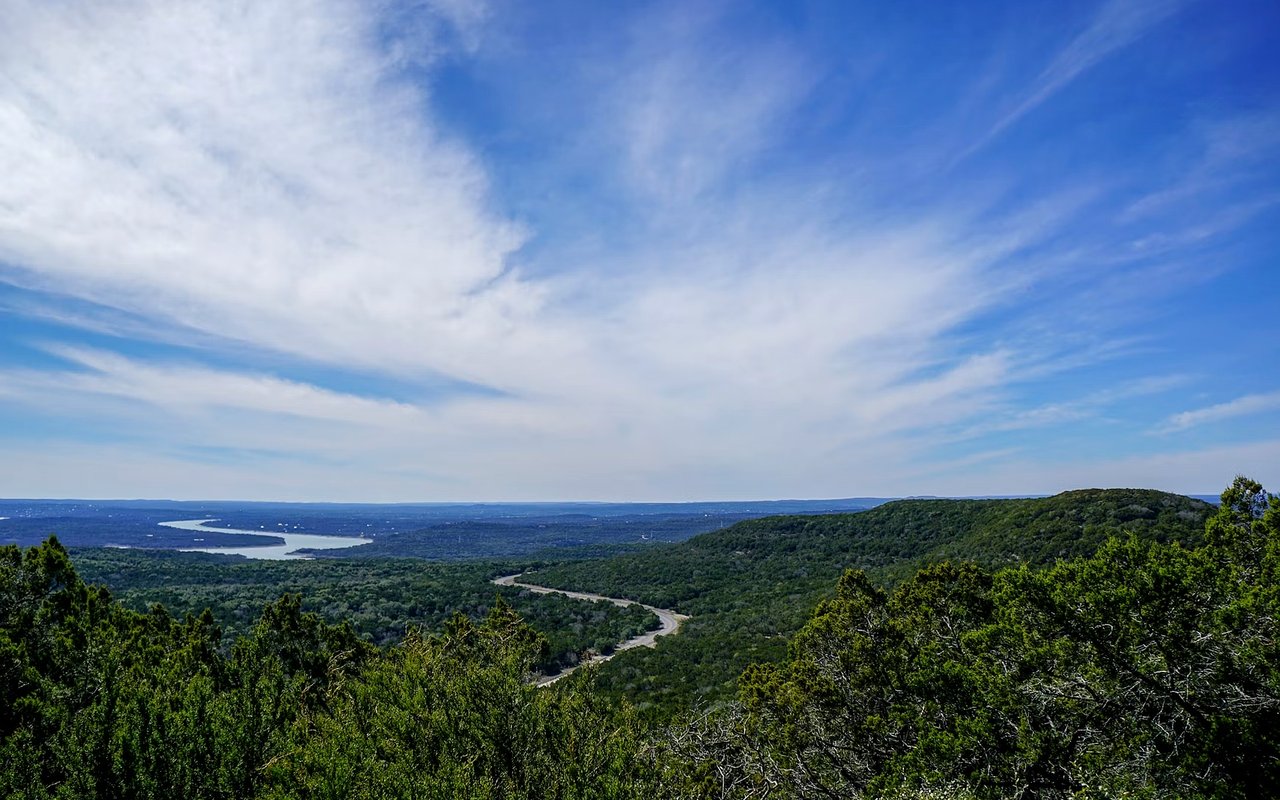
Austin's outdoor access is one of the city's most underappreciated selling points, and buyers who move here from other major metros consistently discover it with genuine surprise. The combination of Barton Creek Greenbelt winding through the city's urban core, the Balcones Canyonlands to the west, and the Texas Hill Country spreading out across the Edwards Plateau creates a hiking landscape that serves every level of commitment. I've spent years exploring these trails and recommending them to clients who want to understand what life here actually looks and feels like outside the office. Here's where I send people first.
Key Takeaways
Austin's urban trail system provides accessible hiking within the city limits year-round
The Barton Creek Greenbelt is the anchor of Austin's outdoor identity and worth knowing thoroughly
The Hill Country within an hour of Austin offers genuine wilderness terrain that the city's immediate surroundings don't replicate
Trail conditions and water availability vary significantly by season in Central Texas
Barton Creek Greenbelt: Austin's Trail Backbone
The Barton Creek Greenbelt is the starting point for any honest hiking in Austin Texas conversation. This 12-mile trail system cuts through the limestone canyon of Barton Creek from Zilker Park to the western edge of the city, offering a trail experience that feels genuinely removed from urban life while remaining accessible from dozens of Austin neighborhoods. The creek crossings, swimming holes, and cliff faces along the route make it a destination rather than just a trail.
What the Greenbelt Offers Hikers at Every Level
Multiple access points from Barton Hills, Lost Creek, and Spyglass that allow hikers to choose distance and terrain
Barton Creek's swimming holes including Twin Falls and Campbell's Hole that reward the hike in Austin's warmer months
Technical rock scrambling sections alongside gentler trail segments that accommodate different fitness levels and preferences
A trail culture that reflects Austin's outdoor identity with high usage among runners, hikers, and families across all seasons
Enchanted Rock State Natural Area
Enchanted Rock sits about 90 minutes west of Austin in the heart of the Hill Country, and the experience of climbing its massive pink granite dome above the surrounding landscape is one that buyers who make the trip rarely forget. The 425-foot summit loop trail is accessible to most hikers, and the views from the top across Llano County's oak and cedar terrain reward the effort with a perspective on Central Texas that no urban trail provides.
Why Enchanted Rock Belongs on Every Austin Hiker's List
The Summit Trail's gradual granite ascent delivering panoramic Hill Country views that extend for miles in every direction
Echo Canyon Trail looping through the boulders and rock formations at the base for hikers who want terrain variety beyond the summit route
Primitive camping that allows overnight visitors to experience the granite dome at dawn and dusk when day hikers have cleared the trail
Advance timed entry reservations now required on peak weekends, which rewards hikers who plan ahead and creates a more manageable experience than the overcrowding of prior years
Pedernales Falls State Park
Pedernales Falls State Park sits about 45 minutes west of Austin and offers a hiking experience built around one of the most dramatic waterfalls and river landscapes in Central Texas. The Pedernales River cuts through layered limestone in a way that produces geological formations and swimming access that make this one of the most rewarding day trips available from the city.
What Pedernales Falls Offers Beyond the Falls Themselves
The Twin Falls Trail providing a moderate 4.8-mile loop through cedar and live oak terrain with river access at multiple points
Wolf Mountain Trail for hikers seeking elevation and Hill Country views without the granite terrain of Enchanted Rock
Tubing and swimming access on the Pedernales River during warmer months that extends a hiking day into a full outdoor experience
Birding opportunities along the river corridor that attract serious birders and casual wildlife observers alike throughout the year
Barton Creek Wilderness Park
Barton Creek Wilderness Park occupies the western edge of Austin's urban boundary and provides a transition zone between the city's developed trails and the wilder terrain of the Hill Country proper. The park's limestone canyon system and creek drainage offer a more remote feeling than the Greenbelt while remaining within Austin's city limits and accessible without a significant drive.
Why This Park Rewards Exploration
Less foot traffic than the Greenbelt making it one of the better options for hikers seeking solitude within the city
A trail network through juniper and live oak woodland that reflects the native character of the Balcones Escarpment
Geological features including caves, cliffs, and creek crossings that make the terrain genuinely interesting rather than merely scenic
Wildlife corridors through the park supporting golden-cheeked warblers and black-capped vireos that give it conservation significance beyond its recreational value
Frequently Asked Questions
When is the best time of year for hiking near Austin?
October through April is the most comfortable window for sustained hiking in Central Texas. Spring brings wildflower blooms along Hill Country trails that peak in late March and April, while fall delivers cooler temperatures and reliable weather after the summer heat breaks. Summer hiking is possible early in the morning before temperatures climb, but the combination of heat and humidity makes midday and afternoon hiking genuinely unpleasant from June through September.
Are the trails near Austin suitable for beginners and families with children?
Many of them are. The Greenbelt's easier sections, the Barton Creek Wilderness Park trails, and the shorter loops at Pedernales Falls all accommodate families and less experienced hikers comfortably. Enchanted Rock's summit trail requires reasonable fitness but no technical skill. I always ask clients about their outdoor activity preferences early in the home search conversation because proximity to trailheads is a meaningful quality-of-life factor that affects which Austin neighborhoods and Hill Country communities I recommend.
How does Austin's outdoor access compare to other major Texas cities?
It's genuinely exceptional by Texas urban standards. The Barton Creek Greenbelt alone puts Austin in a category most Texas cities can't match for accessible urban trail quality, and the Hill Country's proximity adds a wilderness dimension within day trip range that Dallas and Houston simply don't have. It's one of the most compelling lifestyle arguments for Austin that I make to buyers considering multiple Texas markets.
Reach Out to Kumara Wilcoxon
Austin's outdoor access is inseparable from what makes this city worth choosing, and helping buyers understand the full picture of what life here looks and feels like is something I care about deeply. Whether you're exploring Austin's neighborhoods or the Hill Country communities beyond the city's edge, I'd love to help you find the right place to call home.
Reach out to me at
Kumara Wilcoxon. I'd love to show you around.