By Kumara Wilcoxon, Austin Real Estate Agent & Realtor
Austin’s historic homes are some of the most captivating properties in Central Texas. From the Craftsman bungalows of Hyde Park to the early 20th-century residences in Travis Heights and Clarksville, these homes offer architectural charm, rich history, and a sense of place that new construction simply can’t replicate. But as beautiful as these homes are, they weren’t built for modern living—and that’s where thoughtful updates come in.
As an Austin real estate agent, I often work with buyers and homeowners who want to preserve the character of a historic home while upgrading it for today’s lifestyle. The key is balance—enhancing functionality and comfort without compromising the original design.
Here’s how to successfully incorporate modern updates into your historic Austin home while maintaining its timeless appeal.
Start with the Home’s Architectural Integrity
Respect the Original Design
Before making any updates, it’s essential to understand the architectural style and historical significance of your home. Whether it’s a Craftsman, Victorian, or early Ranch-style property, each design has defining elements that should be preserved.
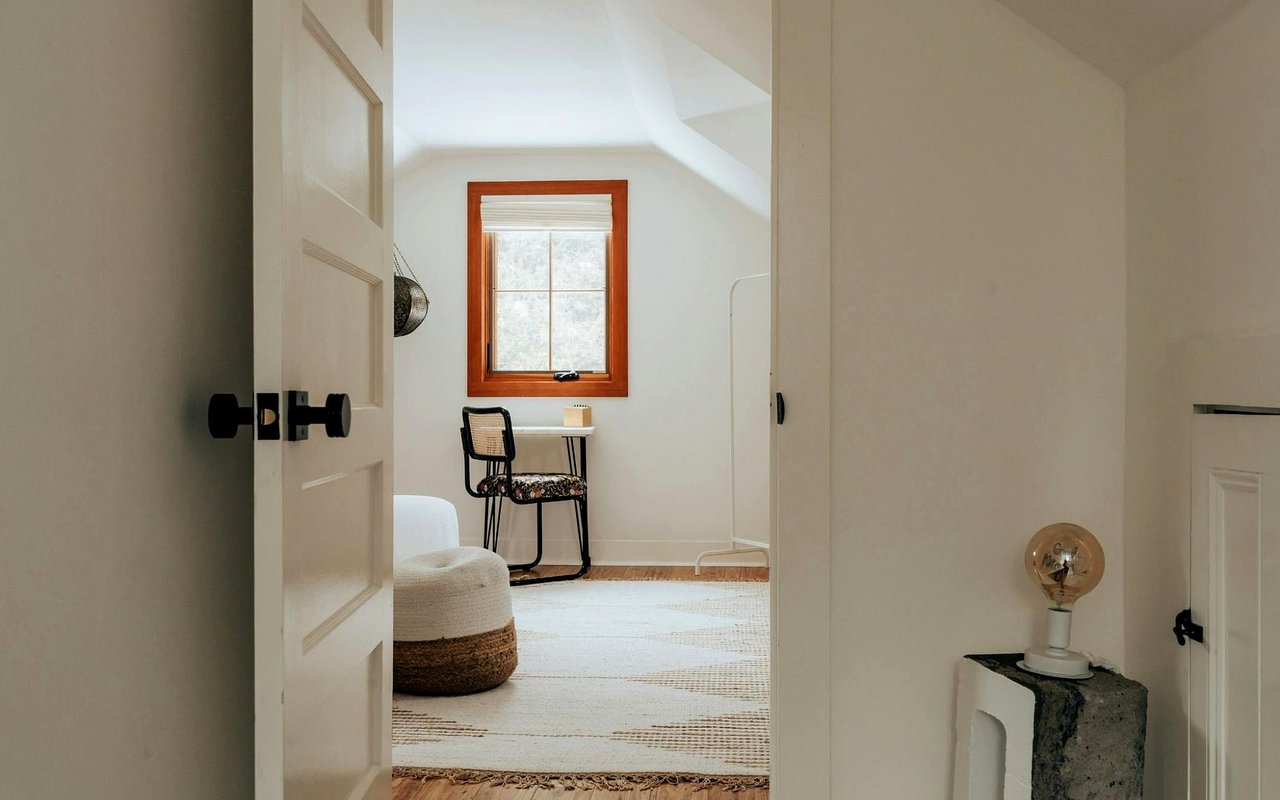
Original woodwork, trim, windows, and built-ins are often irreplaceable features that add long-term value. Rather than removing them, I recommend restoring or refinishing wherever possible. In neighborhoods like Hyde Park or Old West Austin, maintaining architectural authenticity isn’t just a design choice—it can also impact resale value and, in some cases, comply with historic preservation guidelines.
Modernize the Kitchen Without Losing Character
The Heart of the Home, Reimagined
Kitchens are often the first place homeowners want to update—and for good reason. Historic Austin homes typically have smaller, closed-off kitchens that don’t align with today’s open-concept preferences.
A successful kitchen renovation blends modern convenience with classic design. Consider:
-
Custom cabinetry that mirrors original millwork
-
Quartz or marble countertops with subtle veining
-
Updated appliances integrated seamlessly into the design
-
Warm, period-inspired hardware and lighting
In areas like Travis Heights and Zilker, I often see stunning kitchen remodels that open up the space while still honoring the home’s roots. The goal is to make the kitchen feel current—but not out of place.
Upgrade Bathrooms with a Timeless Approach
Function Meets Elegance
Bathrooms in historic homes are often compact and outdated, but they offer an excellent opportunity for modernization. The key is to choose materials and finishes that feel both fresh and timeless.
Popular updates include:
-
Walk-in showers with classic tile patterns
-
Freestanding tubs that echo vintage design
-
Modern fixtures in brushed brass or matte black
-
Improved lighting and ventilation
Rather than going ultra-modern, I advise clients to lean into a transitional style—something that bridges old and new effortlessly.
Improve Energy Efficiency and Systems
Behind-the-Scenes Upgrades That Matter
While aesthetic updates are important, the most impactful improvements are often the ones you don’t see. Many historic homes in Austin were built before modern energy standards, which means updating core systems is essential.
Consider upgrading:
-
HVAC systems for efficient climate control
-
Insulation to improve energy performance
-
Electrical wiring to meet current safety standards
-
Plumbing systems to prevent long-term issues
These updates not only enhance daily comfort but also make your home more appealing to future buyers. In Austin’s climate, energy efficiency is a major selling point.
Preserve and Enhance Original Flooring
Let the Details Shine
Original hardwood floors are one of the most desirable features in historic Austin homes. If they’re in good condition, refinishing them can dramatically elevate the entire space.
If replacement is necessary, choose materials that match the original tone and grain as closely as possible. Consistency is key—abrupt transitions between old and new materials can disrupt the home’s visual flow.
In neighborhoods like Clarksville and Pemberton Heights, beautifully restored flooring often becomes a focal point that anchors the entire design.
Open Up Spaces Thoughtfully
Create Flow Without Erasing History
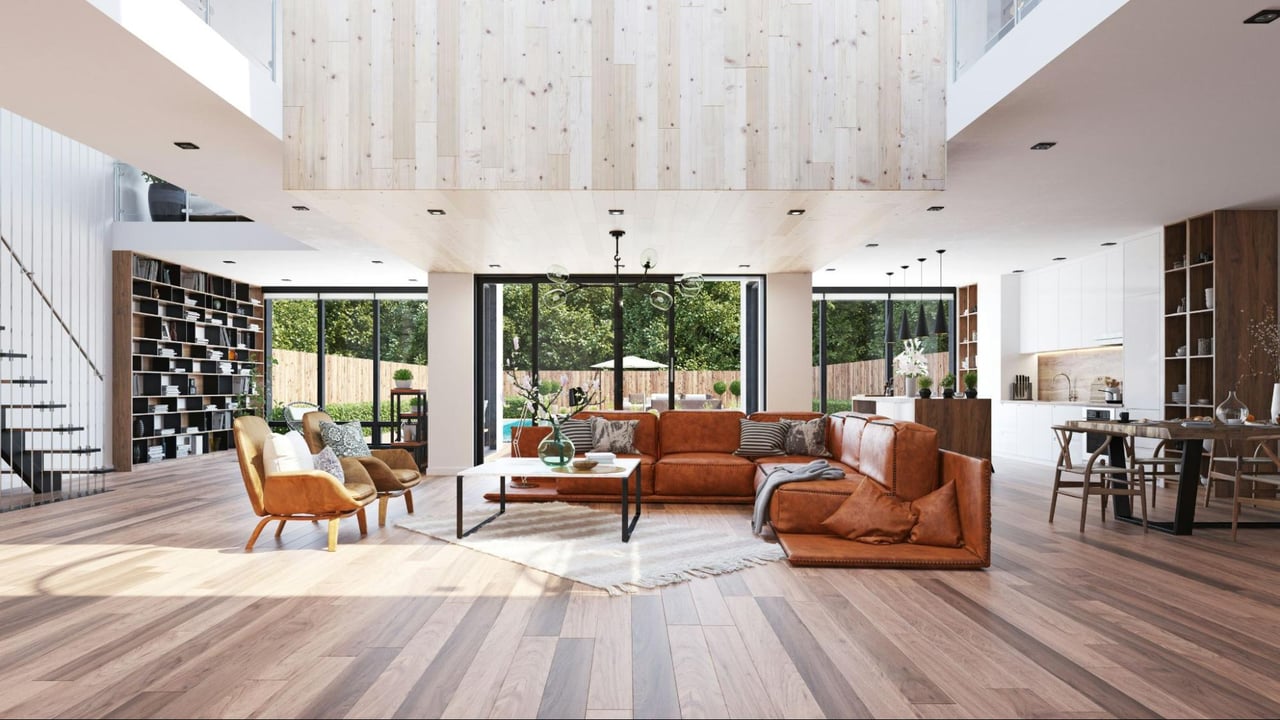
Many historic homes were designed with segmented floor plans. While open layouts are popular today, removing walls should be done strategically.
Instead of fully open concepts, consider:
-
Partial wall openings or archways
-
Expanding doorways for better flow
-
Preserving key structural or decorative elements
This approach maintains the home’s character while improving livability. I always recommend working with experienced architects or contractors familiar with Austin’s historic properties to ensure structural integrity and design cohesion.
Add Smart Home Features Discreetly
Technology That Enhances, Not Distracts
Modern living often includes smart home technology—but in a historic home, it should be integrated subtly.
Options include:
The goal is convenience without visual disruption. Today’s buyers appreciate these features, but they should never overpower the home’s original charm.
Outdoor Spaces: Extending the Living Experience
Embrace Austin’s Indoor-Outdoor Lifestyle
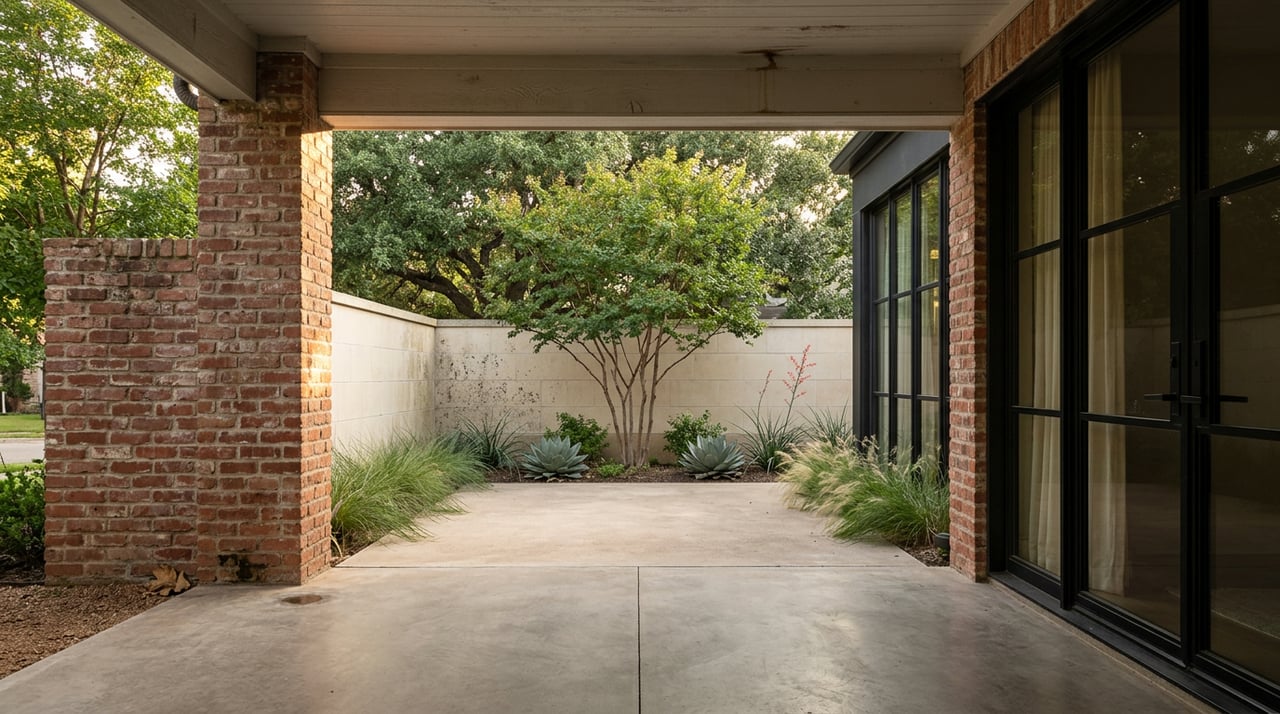
Austin’s climate makes outdoor living a priority, and historic homes often have incredible potential in this area. Updating outdoor spaces can significantly enhance both lifestyle and value.
Consider:
-
Expanding decks or patios
-
Adding outdoor kitchens or seating areas
-
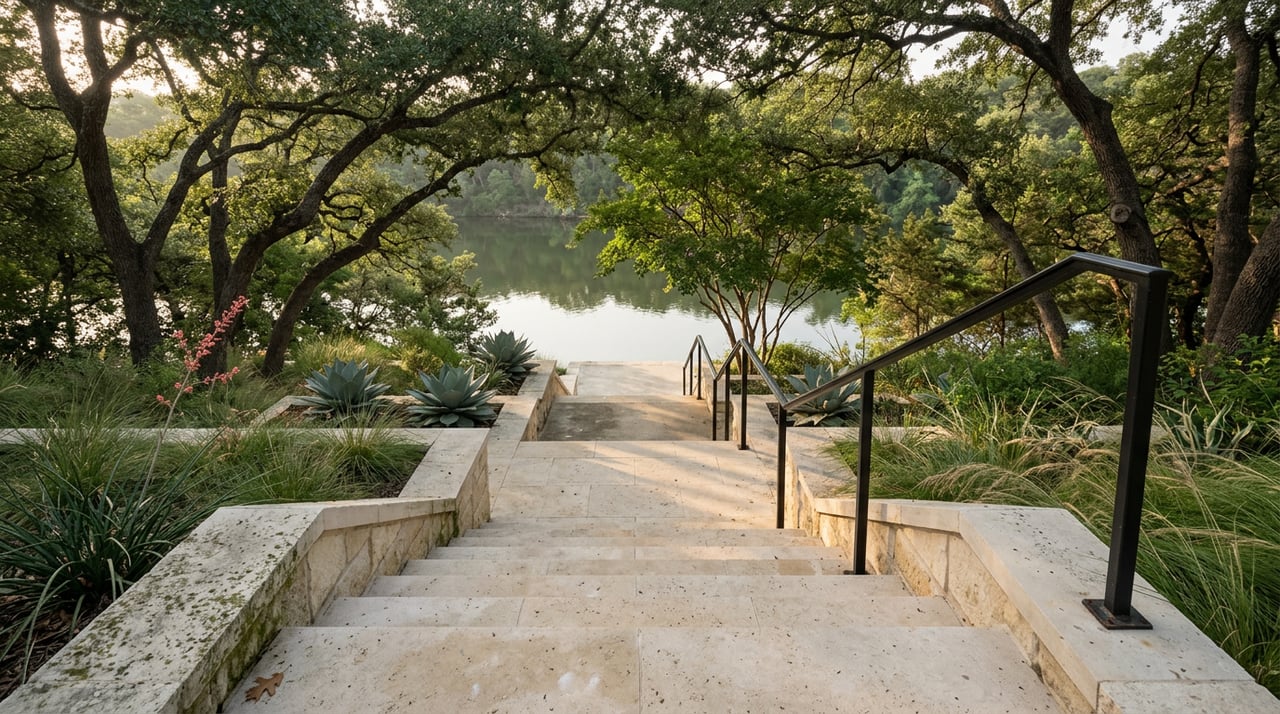
Landscaping that complements the home’s era
In areas like South Congress and Barton Hills, I see homeowners successfully blend historic architecture with modern outdoor living—creating spaces that feel both authentic and elevated.
Navigate Historic Regulations and Permits
Know Before You Renovate
Some Austin neighborhoods fall within historic districts or have specific zoning requirements. Before making major changes, it’s important to understand local regulations.
This may include:
-
Approval for exterior modifications
-
Restrictions on demolition or additions
-
Guidelines for materials and design
Working with a knowledgeable real estate professional and contractor ensures your updates align with city requirements while protecting your investment.
FAQs About Updating Historic Austin Homes
Can I fully modernize a historic home?
Yes, but it’s best to balance modern updates with preserved architectural elements to maintain value and character.
Are renovations more expensive for historic homes?
They can be, especially if specialized materials or restoration work is required. However, the long-term value often justifies the investment.
Do historic homes in Austin appreciate in value?
Well-maintained and thoughtfully updated historic homes in desirable neighborhoods tend to perform very well in Austin’s market.
What updates add the most value?
Kitchens, bathrooms, energy-efficient systems, and preserving original features typically offer the highest return.
Should I hire a specialist for renovations?
Absolutely. Contractors experienced with historic homes understand how to modernize without compromising structural or design integrity.
Ready to Transform Your Historic Austin Home?
Updating a historic home in Austin is an opportunity to create something truly special—a space that honors the past while supporting the way you live today. With the right approach, you can preserve character, enhance functionality, and build lasting value.
If you’re considering buying, renovating, or selling a historic home in Austin, I’m here to guide you through every step of the process.
Visit the team today to explore your options and start your journey with confidence.