By Kumara Wilcoxon
Square footage is the number that appears first in nearly every property listing, and it is the metric most buyers instinctively reach for when comparing homes. It is also, on its own, one of the least reliable indicators of whether a home will truly serve the people who live in it.
Two homes with identical square footage can feel worlds apart in terms of livability, functionality, and long-term value. The difference lies in the details that numbers alone cannot capture.
Kumara Wilcoxon has guided buyers through Austin's most competitive and nuanced neighborhoods for years, and the most consistent observation across that experience is this: the buyers who find homes they love and never regret are the ones who learn to evaluate properties with a broader, more discerning eye. This checklist is designed to help buyers do exactly that.
The Quality and Flow of Natural Light
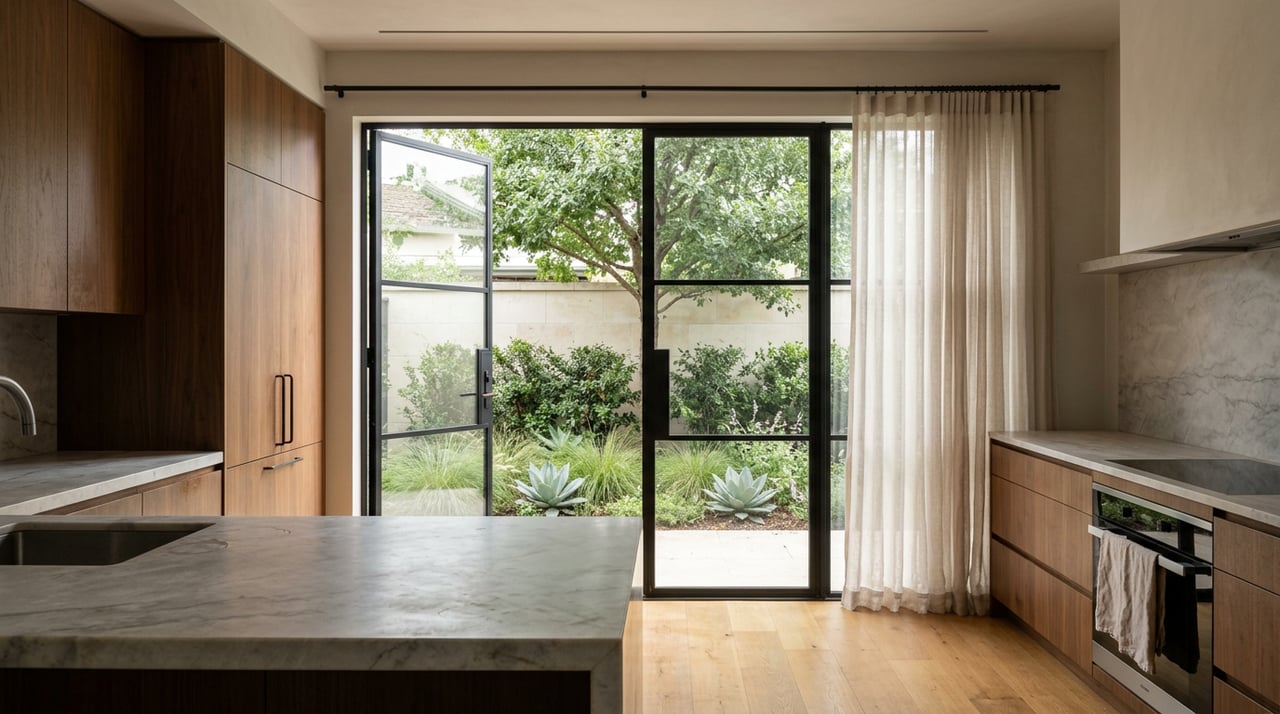
Natural light is one of the most transformative and most frequently underestimated qualities a home can possess. A well-lit home feels larger, more welcoming, and more connected to the environment around it. It also has measurable effects on mood, productivity, and overall wellbeing that compound across every day spent inside the property.
When touring any home in Austin, buyers should pay close attention to the orientation of the structure. South and east-facing windows bring in consistent, warm morning light without the harsh afternoon glare that west-facing windows can introduce during Texas summers. The height of windows, the presence of skylights, and whether light penetrates into secondary spaces such as hallways, stairwells, and secondary bedrooms all contribute to how alive or flat a home feels in daily use.
Visiting a home at different times of day, when possible, reveals qualities that a midday showing will not capture. A home that glows warmly at seven in the morning may feel entirely different at three in the afternoon, and understanding that rhythm is part of knowing whether a property will suit the way a buyer actually lives.
Layout, Flow, and the Logic of How Spaces Connect
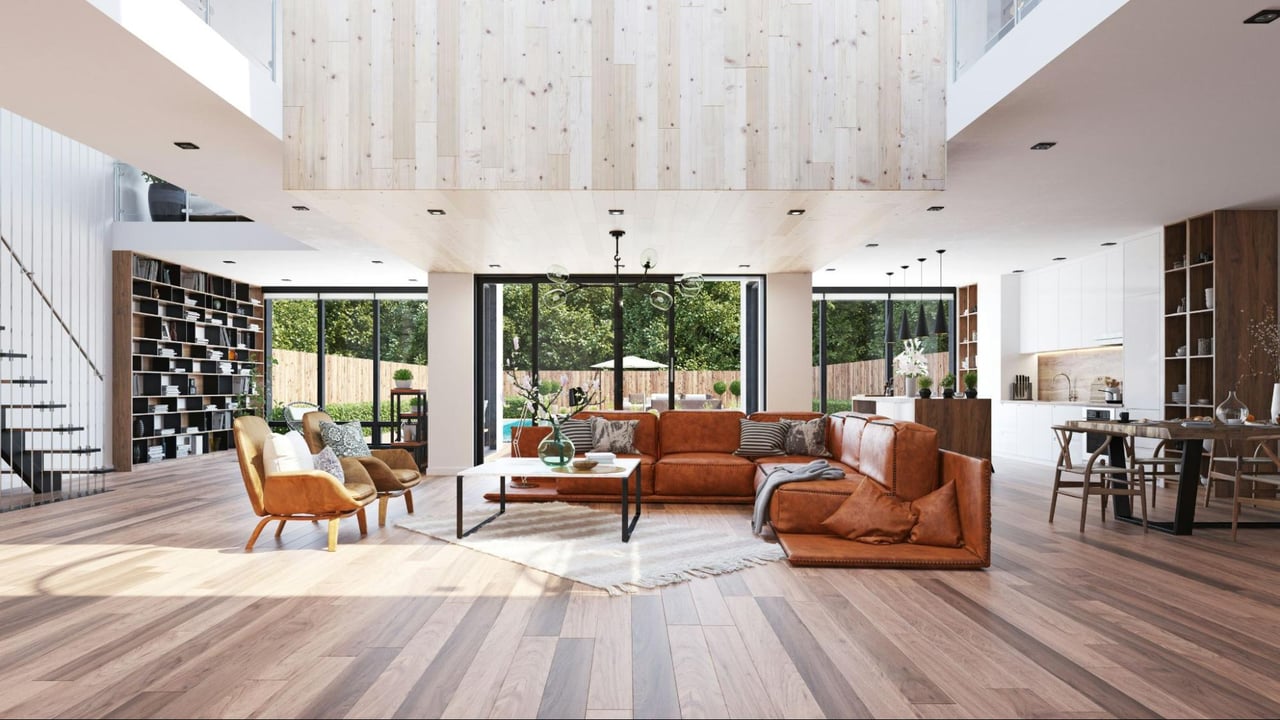
Floor plan efficiency is one of the most underappreciated factors in home satisfaction, and one of the hardest to retrofit once a purchase is made. Buyers should move through a home with deliberate attention to how spaces connect and whether that connection makes intuitive sense for daily life.
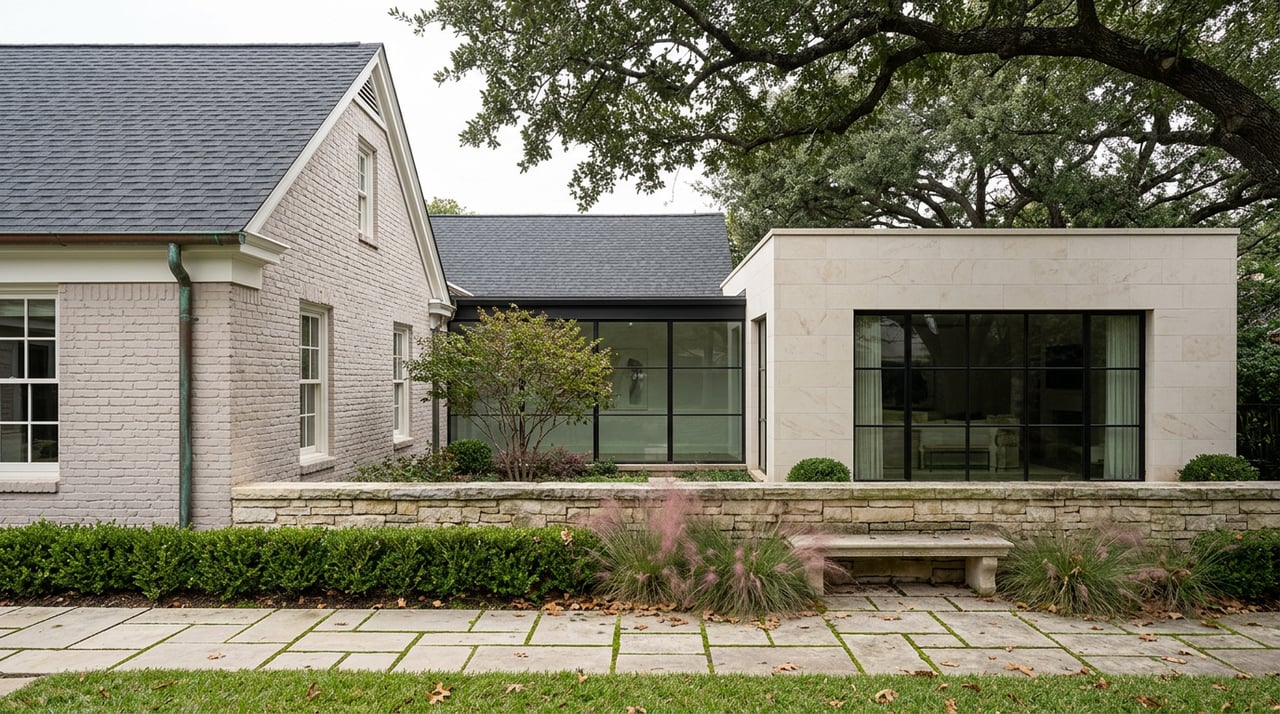
Consider how the kitchen relates to the dining area, how the primary suite is positioned relative to secondary bedrooms, and whether the flow between interior and exterior living spaces feels natural or interrupted. In Austin, where outdoor living is a genuine extension of the home for a significant portion of the year, the relationship between interior spaces and patios, covered porches, and yards carries particular weight.
Dead-end corridors, awkward transitions between rooms, and primary spaces that lack a clear sense of purpose are all worth noting during a showing. These are not necessarily deal-breakers, but they are factors that will affect daily experience and may require significant investment to address.
Kumara Wilcoxon helps buyers articulate what they need from a floor plan before the search begins, so that these evaluations happen with clarity rather than in the moment of emotional excitement that a beautiful property can produce.
Storage, Functionality, and the Practical Realities of Daily Life
Adequate, well-placed storage is one of the most reliable predictors of long-term satisfaction in a home, and it is consistently undervalued during the search process. Buyers caught up in the beauty of a kitchen renovation or the elegance of a primary suite often overlook the fact that the home has no pantry, minimal closet depth, an undersized garage, or no meaningful utility storage.
A thorough evaluation should include every storage space in the home. Primary closets should be assessed for actual usability, not just nominal size. Kitchen cabinetry and pantry access should be considered in the context of how the buyer actually shops and cooks. Garage dimensions should be measured against the buyer's vehicles and any equipment they plan to store. Attic access and condition, laundry room placement and size, and outdoor storage options all belong on the checklist.
In Austin's market, particularly in older neighborhoods like Hyde Park, Bouldin Creek, and Travis Heights, charming homes on desirable streets sometimes carry the functional limitations of their era. Recognizing those limitations clearly allows buyers to make an informed decision about whether the location and character justify the compromises, or whether a property in a newer development might better serve their practical needs.
The Condition of Major Systems and What They Signal
The aesthetic presentation of a home is what buyers see during a showing. The condition of the home's major systems is what determines the cost of ownership in the years that follow. Every serious buyer should develop at least a working knowledge of the systems that matter most and how to read their condition during an initial tour before a formal inspection is conducted.
The HVAC system is the single most consequential mechanical system in an Austin home given the demands of Central Texas summers. Buyers should note the age of the equipment, the quality of the installation, and whether the system appears to have been maintained with regularity. A unit approaching the end of its useful life in a large home represents a significant near-term capital expense that should factor into both the offer price and the post-purchase budget.
Roofing condition deserves careful attention, particularly in Austin where hail events and severe spring storms are a recurring reality. Signs of recent repair, inconsistent shingle patterns, or flashing that appears compromised around chimneys and skylights all warrant close scrutiny and follow-up during the inspection process. Water heater age, electrical panel capacity, plumbing material in older homes, and the condition of any pool or spa equipment round out the essential mechanical evaluation.
Kumara Wilcoxon guides buyers through these observations during showings with the kind of experienced, practical eye that comes from years of navigating Austin real estate transactions, helping buyers distinguish between cosmetic imperfections and structural concerns that carry real financial weight.
Outdoor Space, Lot Configuration, and Privacy
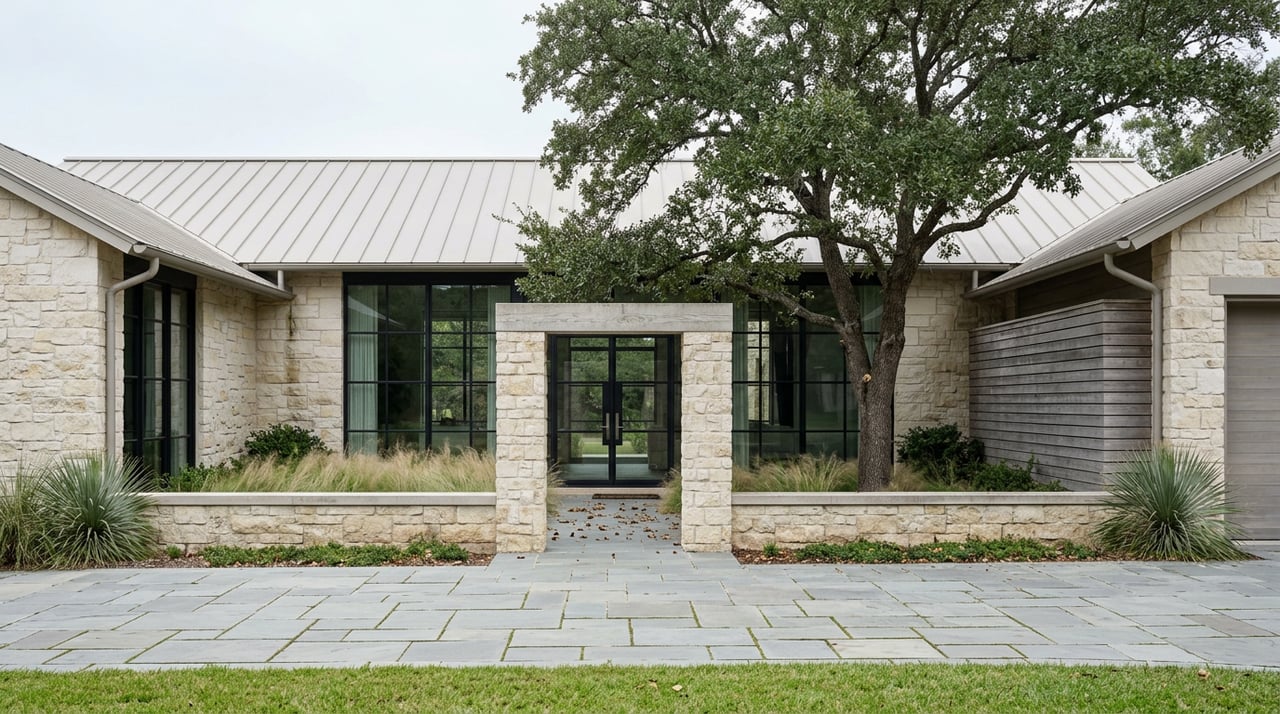
In Austin's climate and culture, outdoor space is not a supplement to the home. For many buyers, it is central to the entire vision of how they plan to live. The evaluation of outdoor space should go well beyond square footage of yard to encompass usability, privacy, orientation, mature tree coverage, drainage patterns, and the condition of any existing hardscape or landscaping.
A rear yard that backs to a busy road, a neighboring commercial property, or a lot with significant elevation difference may offer privacy challenges that are not immediately apparent during a showing. The presence of mature live oaks, cedar elms, or other established trees adds both beauty and value to an Austin property, but it also carries responsibility, as tree health and proximity to the structure should be assessed carefully.
Lot shape and configuration affect how outdoor space can be used and expanded over time. A narrow lot in East Austin may limit future addition possibilities. A large corner lot in a neighborhood like Tarrytown or Rollingwood may offer landscape and privacy options that dramatically expand the property's long-term potential.
These are the kinds of contextual observations that Kumara Wilcoxon brings to every property evaluation, helping buyers see not just what a home is today but what it can become.
Neighborhood Context, Trajectory, and Lifestyle Alignment
A home exists within a neighborhood, and the neighborhood shapes the living experience as profoundly as anything inside the four walls. Buyers should evaluate the immediate context of any property with the same rigor they apply to the property itself, considering factors including walkability, proximity to the schools, parks, restaurants, and amenities that matter to their specific lifestyle, traffic patterns at different times of day, and the general trajectory of the surrounding area.
Austin's neighborhoods each carry a distinct identity and a distinct set of tradeoffs. The established luxury of Westlake Hills and Barton Creek offers privacy, top-rated schools, and hill country scenery at the cost of distance from central Austin's energy. The walkable character of neighborhoods like Mueller, South Congress, and East Austin places residents in the middle of the city's most vibrant cultural life, with the density and ambient activity that entails. Neither is objectively superior.
The right neighborhood is the one that aligns with how a buyer genuinely wants to spend their days.
Future Development and Long-Term Value Considerations
Informed buyers think beyond the current state of a neighborhood to consider how it may evolve during their ownership of the property. Austin is a city in active transformation, and development patterns, zoning changes, infrastructure investments, and shifting demographic trends all have meaningful implications for long-term property values and quality of life.
Kumara Wilcoxon stays closely attuned to Austin's development landscape, offering buyers the kind of forward-looking market intelligence that helps them purchase with confidence in a property's long-term trajectory rather than simply its present appeal.
Frequently Asked Questions About Evaluating Homes Beyond Square Footage
What is the single most overlooked factor when searching for a home in Austin?
Layout and flow consistently rank among the most overlooked factors. Buyers often focus on finishes and features but underestimate how profoundly the logic of a floor plan affects daily life. A home that functions well for the way a buyer actually lives will deliver more satisfaction over time than one with beautiful surfaces and a frustrating layout.
How can a buyer evaluate neighborhood quality during the search process?
Visiting the neighborhood at different times of day and on different days of the week reveals qualities that a single showing cannot capture. Morning and evening drive patterns, weekend activity levels, and the condition of adjacent properties all provide useful information. Kumara Wilcoxon also provides buyers with detailed, data-informed neighborhood assessments as part of the search process.
Should buyers prioritize condition or location when tradeoffs are necessary?
Location is the one element of a property that cannot be changed. Condition can be improved with investment, sometimes significantly, but the neighborhood, street, and orientation of a property are fixed. When meaningful tradeoffs exist, location generally warrants the greater weight in the decision, with a clear-eyed assessment of what the condition issues will realistically cost to address.
How important is school district when evaluating a home in Austin?
For buyers with children, school district quality is often a primary search criterion and has a direct, measurable effect on property values. Even for buyers without children, purchasing in a highly rated district such as Eanes ISD in the Westlake area provides a meaningful long-term value cushion that supports resale performance across market cycles.
What should buyers look for regarding natural disaster and weather risk in Austin?
Central Texas buyers should evaluate flood zone designation, particularly for properties near creeks, rivers, or low-lying areas. The City of Austin's flood maps are publicly available and should be reviewed for any property under consideration. Foundation condition in Austin's expansive clay soil environment also deserves careful attention, as does the general drainage pattern of the lot during heavy rain events.
Search for Your Austin Home With a Trusted Expert by Your Side
Finding the right home in Austin requires more than scrolling through listings and measuring rooms. It requires the kind of experienced, attentive guidance that transforms a search from overwhelming to genuinely rewarding.
Kumara Wilcoxon brings the market knowledge, neighborhood expertise, and personal dedication that Austin buyers deserve at every stage of the process. To begin the conversation and explore what is possible, visit
kumarawilcoxon.com and connect with Kumara Wilcoxon directly.