By Kumara Wilcoxon
The homes that command the highest prices and generate the most enduring admiration are rarely the ones that simply followed a trend. They are the ones that interpreted the cultural moment with intelligence, restraint, and a deep understanding of how beautiful spaces actually function in daily life. In 2026, luxury interior design is undergoing a meaningful evolution, one that moves decisively away from the performative maximalism of recent years toward something more considered, more personal, and ultimately more enduring.
For Austin homeowners navigating a renovation, a new build, or a high-end purchase, understanding where design is headed is not merely an aesthetic exercise. It is a strategic one. The interiors that resonate most powerfully with today's luxury buyers are the ones that reflect current sensibilities with sophistication and authenticity.
Kumara Wilcoxon works closely with Austin's most discerning buyers and sellers and understands intimately how design quality shapes both the experience of living in a home and its performance in the marketplace.
Key Takeaways
-
Luxury design in 2026 is defined by curated calm, warmth, and deep personalization rather than opulence for its own sake
-
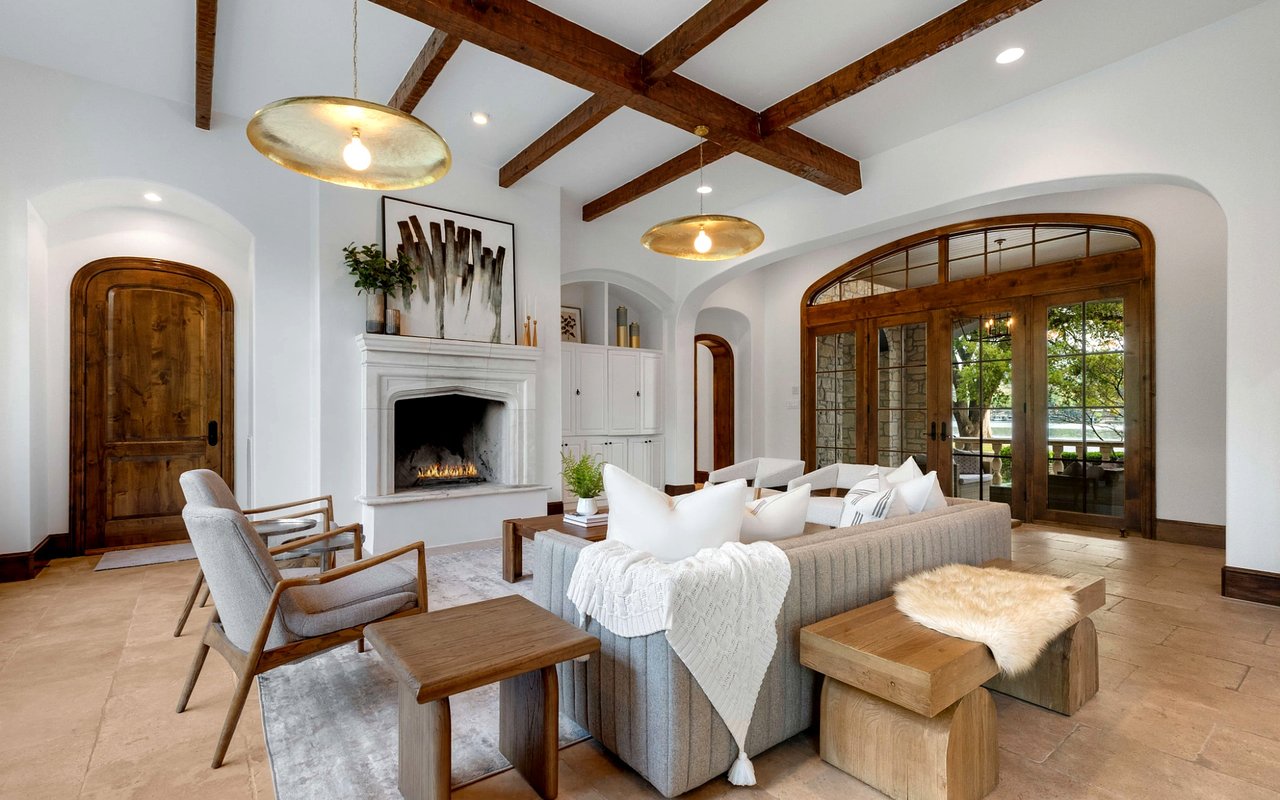
Texture has replaced pattern as the primary visual language, with natural materials including limewash, honed stone, ribbed timber, velvet, and linen taking center stage
-
Cool grays and all-white palettes are giving way to earthy, saturated tones including terracotta, burgundy, warm olive, and chocolate brown anchored by soft, nature-inspired neutrals
-
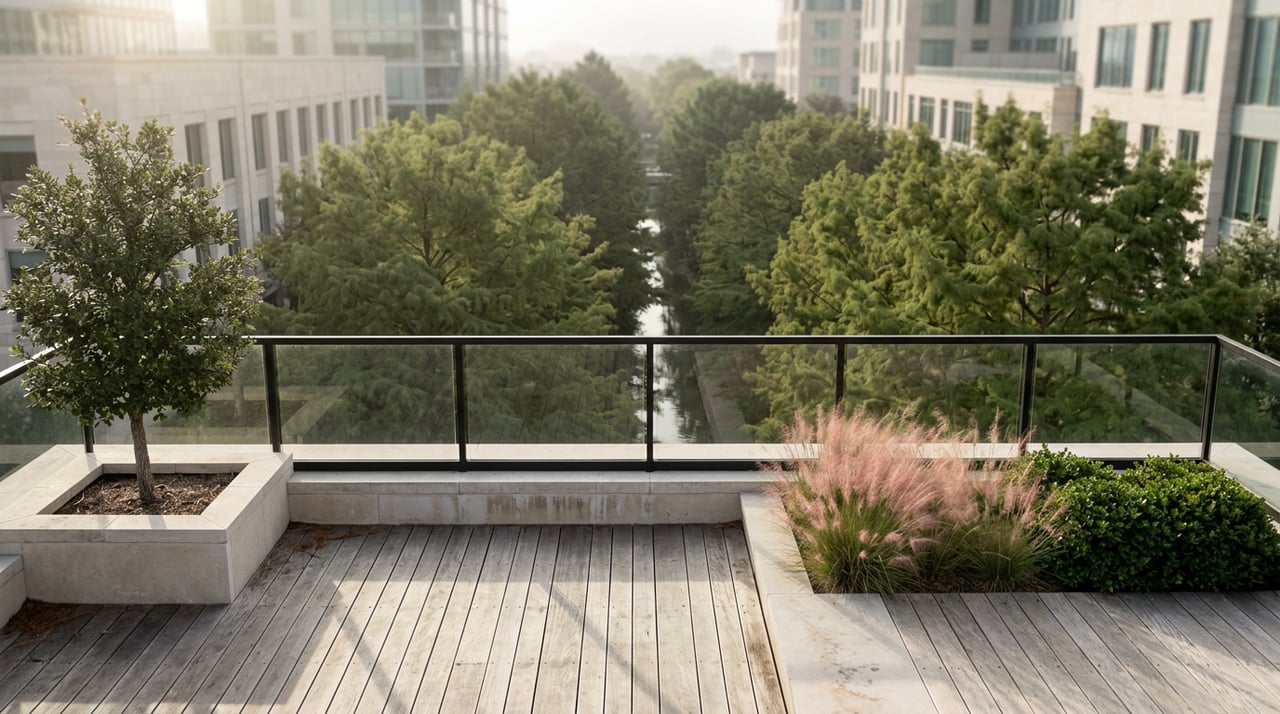
Biophilic design has moved from trend to essential philosophy, with natural materials, built-in greenery, and seamless indoor-outdoor connections becoming expected features in luxury homes
-
Curved, sculptural architectural forms are replacing rigid, orthogonal layouts, creating spaces that feel softer, more tactile, and more inviting
-
Wellness-centered amenities including infrared saunas, cold plunge tubs, meditation rooms, and spa-caliber primary suites are now expected at the top of Austin's luxury market
-
Artisan craftsmanship and bespoke detail, including hand-carved elements, custom millwork, and commissioned work, distinguish the most memorable and valuable luxury properties
-
Luxury kitchens are evolving beyond all-white toward layered palettes that mix painted cabinetry in deep tones with natural wood finishes and warm textiles
-
All of these trends carry direct implications for property value, buyer appeal, and sale performance in Austin's luxury real estate market
The End of Performative Luxury and the Rise of Curated Calm
The defining shift in luxury interior design for 2026 is perhaps best captured in a single phrase: curated calm over superficial opulence. The industry's leading voices are united in this direction. Spaces in 2026 feel calm, tactile, and deeply personal, with memorable interiors defined not by the strongest statements but by environments where people naturally want to stay longer.
This is not minimalism in the cold, sterile sense that characterized much of the previous decade. Designers are moving away from stark minimalism toward spaces that feel warm, lived-in, and approachable, where thoughtful layouts, layered textures, and personalized details create homes that are both luxurious and truly livable.
The distinction is critical. Warmth and restraint are not opposites in 2026. They are partners.
Clean, carefully curated aesthetics have become the true status symbol, with extravagance no longer automatically equating to class. Premium buyers are opting for furniture that prioritizes quality material over flashy design, selecting staple pieces that will stand the test of time rather than go out of trend next season.
In Austin's luxury market, where buyers arrive with refined taste and high expectations, this philosophy translates directly into properties that present with confidence, depth, and staying power.
Texture as the New Language of Luxury
If a single design element defines the luxury interior of 2026, it is texture. Texture has replaced pattern as the primary visual language, with designers combining materials like velvet, wool, rattan, and linen to create inviting, lived-in spaces where texture is no longer just an accent but the foundation of how rooms are designed.
Immersive material environments featuring monolithic plaster, layered woods, textured walls, and tactile surfaces immerse inhabitants in sensory experiences. Limewash, micro-cement, honed stone, and ribbed timber are employed across rooms to form continuous, cocoon-like shells where the room's identity is decided by feel rather than decoration. As light moves through these spaces throughout the day, shadows deepen and shift, ensuring that the environment is never static.
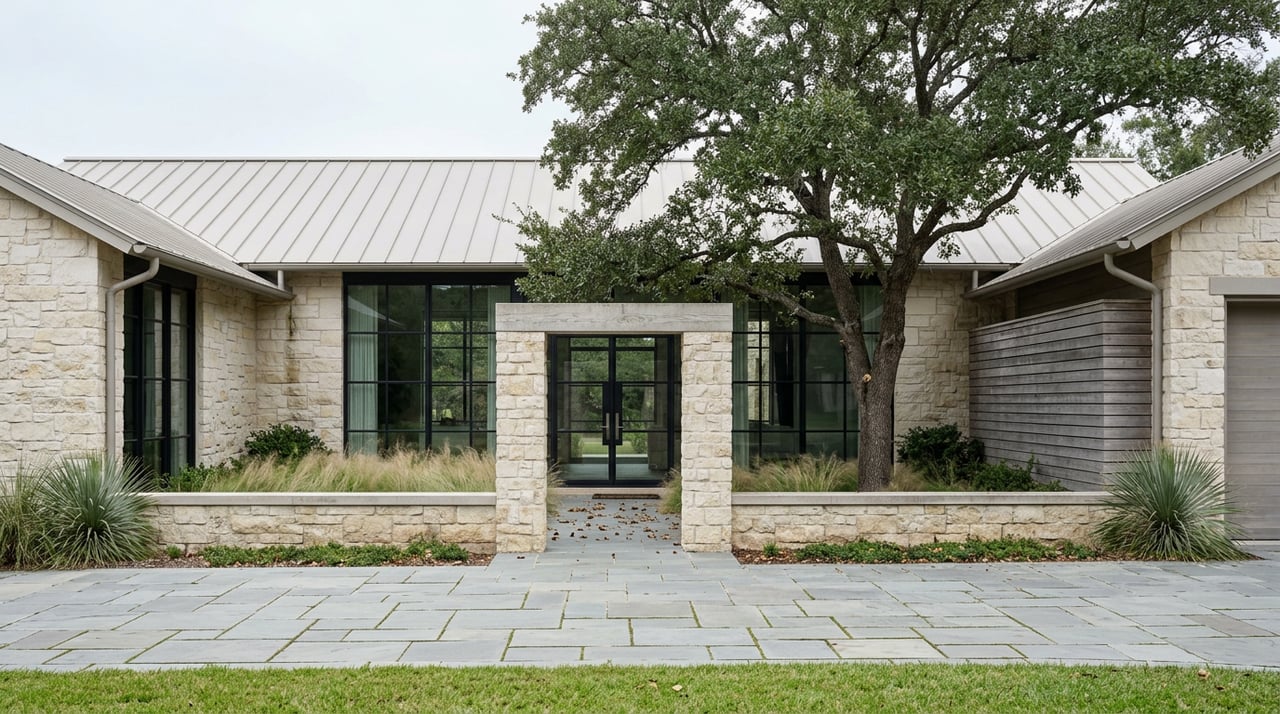
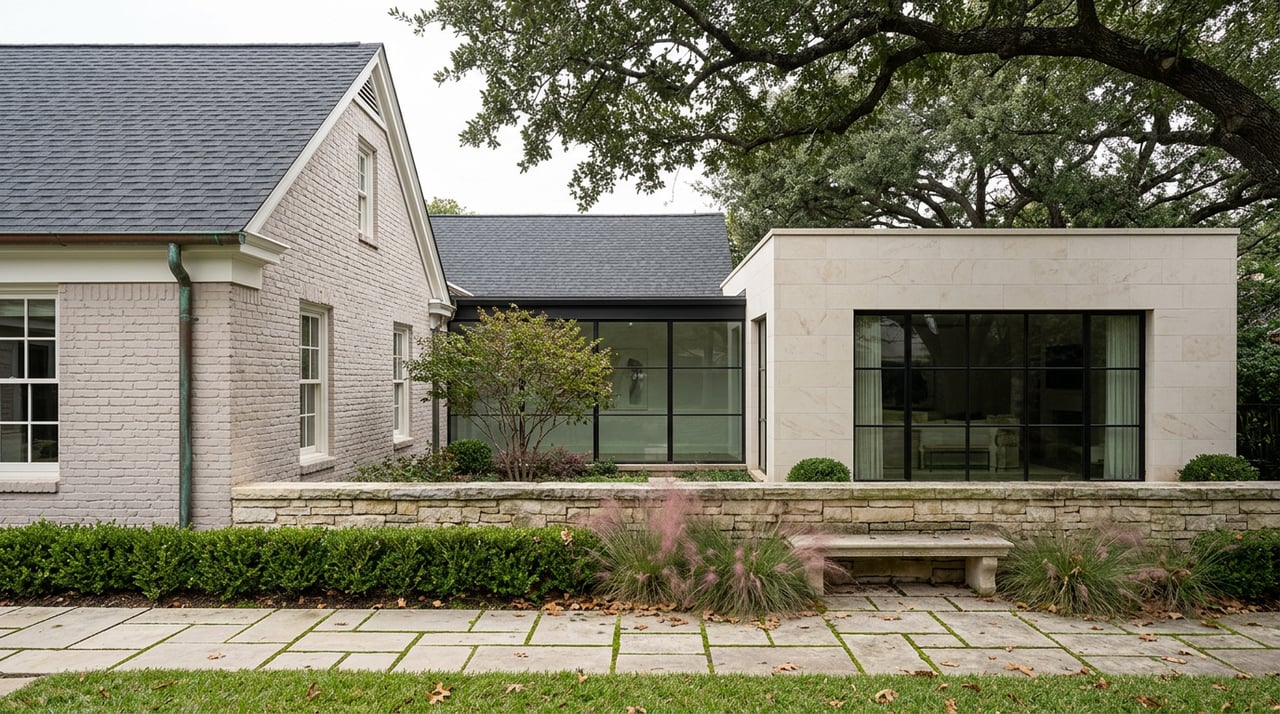
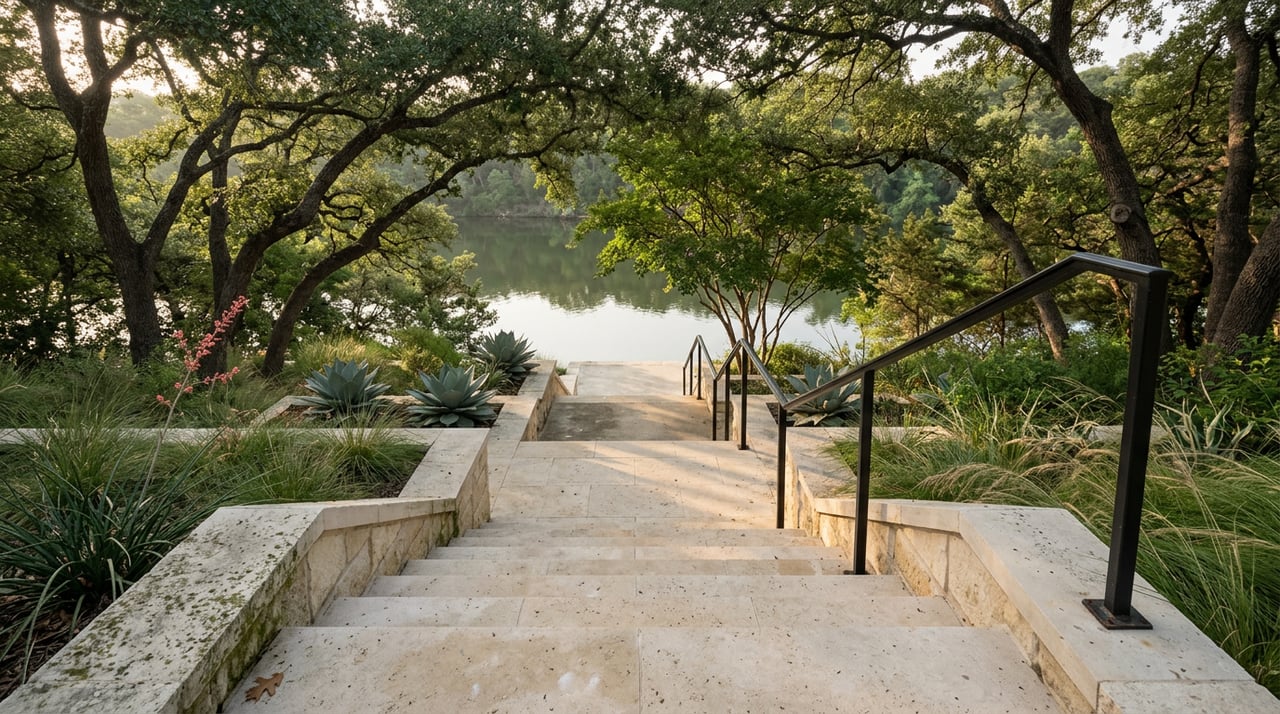
For Austin homes, where indoor-outdoor living is not a design concept but a genuine lifestyle reality, the integration of natural, tactile materials creates a seamless visual and sensory continuity between interior spaces and the Hill Country landscapes, mature live oaks, and expansive terraces that define the region's most distinguished properties.
Color: The Departure From Cool Gray
The reign of cool gray and stark white interiors is definitively over. Warm, earthy color palettes are replacing cool grays and whites, with saturated colors like burgundy, terracotta, chocolate, navy, and olive green now in vogue as homeowners embrace hues that create warmth and depth.
Pantone's Color of the Year for 2026 is Cloud Dancer, a gentle, airy white chosen for its relaxing presence and symbolic reset amid a time of cultural overstimulation, reflecting the broader cultural mood toward spaces that restore rather than excite. This softer anchor palette is being layered with richer, more grounded tones drawn directly from the natural world.
Nature tones are making a significant impact in home design, with warm eucalyptus embodying nurturing calm and serenity when paired with natural materials like rattan and pale wood, while silky sienna tones bring earth-inspired warmth that settles elegantly into both vintage-modern and rustic settings.
For Austin's luxury homes, many of which are situated within landscapes defined by cedar, limestone, and the warm golden light of the Texas Hill Country, these palettes feel less like a design choice and more like a natural extension of the environment itself. Properties that lean into these earth-anchored palettes photograph beautifully, present warmly during showings, and resonate deeply with the buyers most active at the top of Austin's market.
Biophilic Design: From Trend to Essential Design Philosophy
One of the most impactful luxury home design trends for 2026 is the integration of biophilic design, a concept that connects people with nature through architectural and interior choices, fostering a sense of serenity and improving wellness while harmonizing the home with its surrounding environment.
Research supports this direction: neuropsychological studies indicate that biophilic indoor spaces reduce cognitive-emotional overload and decrease feelings of fatigue, anxiety, and depression. Post-pandemic living has positioned health, stress reduction, and emotional wellness at the center of design decisions, making biophilic elements essential rather than optional.
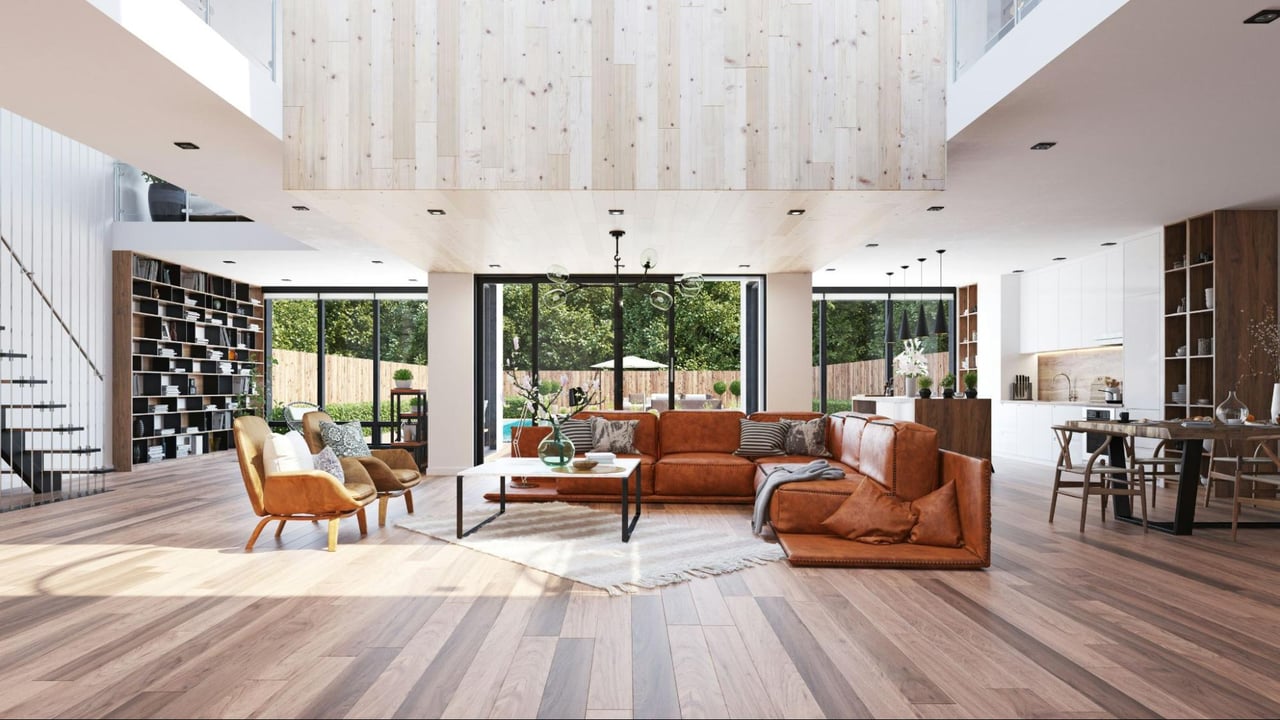
In practical terms, this translates to an emphasis on natural stone, reclaimed wood, woven textiles, built-in planters, skylights, and seamless transitions between interior and exterior living. Slatted wood, limewashed walls, and panel molding add dimension in fresh, modern ways, serving as a great fit for open-concept homes by subtly separating spaces while adding warmth and personality.
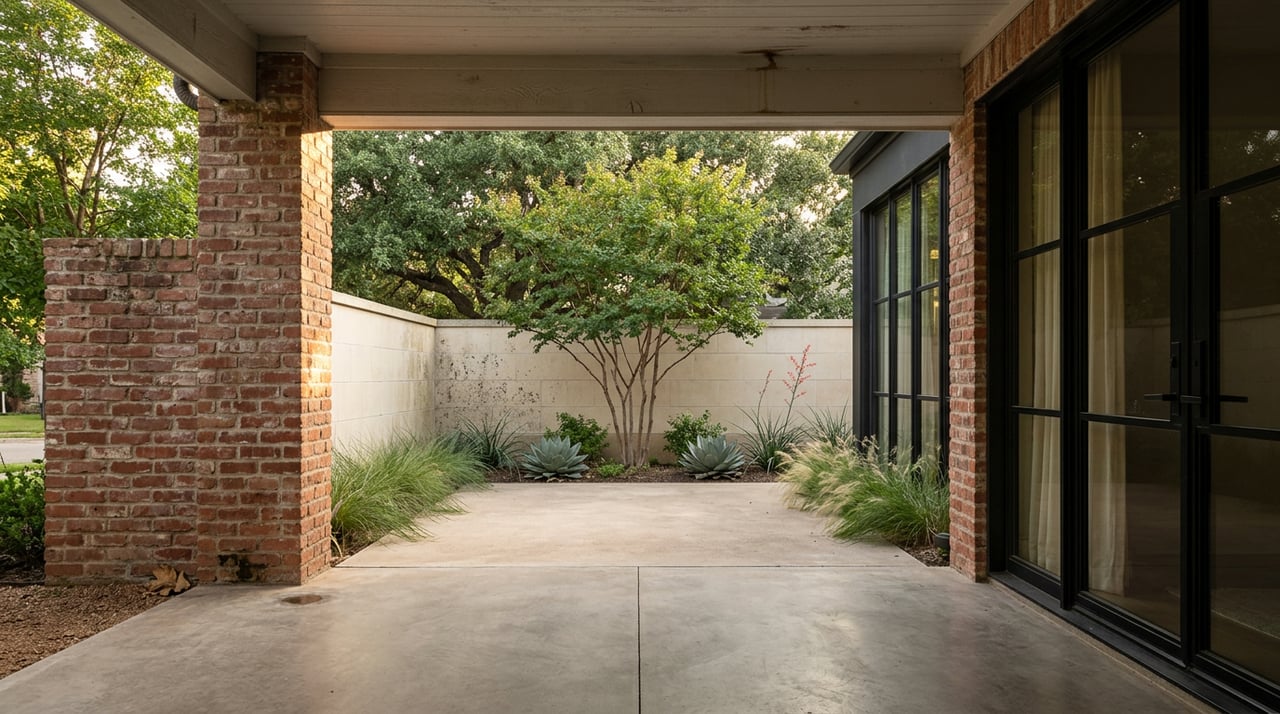
Austin's finest luxury properties are uniquely positioned to embrace biophilic design principles. The city's year-round connection to outdoor living, its abundance of mature trees, its limestone topography, and its heritage of mid-century and contemporary architecture that prizes the relationship between interior and landscape all create a natural foundation for this design philosophy to flourish.
Curved Forms and Sculptural Architecture
Furniture and architectural features are evolving into shape-shifting elements, with seating that forms social clusters, arches that redirect movement, and flowing shapes that replace rigid orthogonal layouts. In 2026, consumers are seeing a surge in subterranean circular lounges, wave-edged counters, rounded stairwells, and thick sculpted walls that feel carved-in but not over-designed.
This shift is both psychological and spatial. Curves delay movement, invite lingering, and eliminate the hard edges associated with corporate minimalism. Homes become softer and more tactile, designed for the quality of human experience rather than visual impact alone.
For Austin's new luxury construction and high-end renovations, the incorporation of curved architectural elements represents both a design-forward choice and a meaningful point of differentiation. Properties that embrace sculptural interiors with intentionality and craft stand apart in a market where discerning buyers have seen every standard configuration and are looking for something that genuinely moves them.
The Wellness-Centered Home
As health and wellness take center stage, luxury homes are evolving into personal wellness sanctuaries, with homeowners investing in spaces that support mental clarity, physical health, and emotional wellbeing through infrared saunas, cold plunge tubs, meditation rooms with ambient lighting and soundscapes, home gyms with high-tech fitness equipment, and spa-style bathrooms with soaking tubs, rain showers, and heated floors.
These are no longer novelty features reserved for the most extravagant custom builds. They have become expected amenities in properties priced at the upper end of Austin's luxury spectrum, and their presence increasingly influences both buyer decisions and appraised value.
A primary suite that functions as a genuine retreat, complete with a spa-caliber bathroom and dedicated wellness space, is among the most consistently requested features Kumara Wilcoxon encounters among luxury buyers exploring Austin's finest neighborhoods.
Artisan Craft and Bespoke Detail
Customization is everywhere in 2026, with hand-carved mantels, artisan tiles, and hand-thrown ceramics adding texture and soul to modern spaces as personal, one-of-a-kind touches that resist the cookie-cutter aesthetic.
Handcrafted details and artisan materials that tell a story and offer tactile richness are distinguishing luxury homes and creating a layered, lived-in look that resonates with high-end buyers.
Custom millwork, bespoke hardware, and commissioned art installations are all expressions of this sensibility, communicating a level of investment and intentionality that sophisticated buyers recognize and value immediately.
In Austin's luxury market, where buyers at the top of the price range have often owned multiple high-end homes and developed a refined eye over years of experience, the presence of authentic craftsmanship carries genuine weight. It is the detail that elevates a beautiful home into an irreplaceable one.
The Luxury Kitchen Evolves
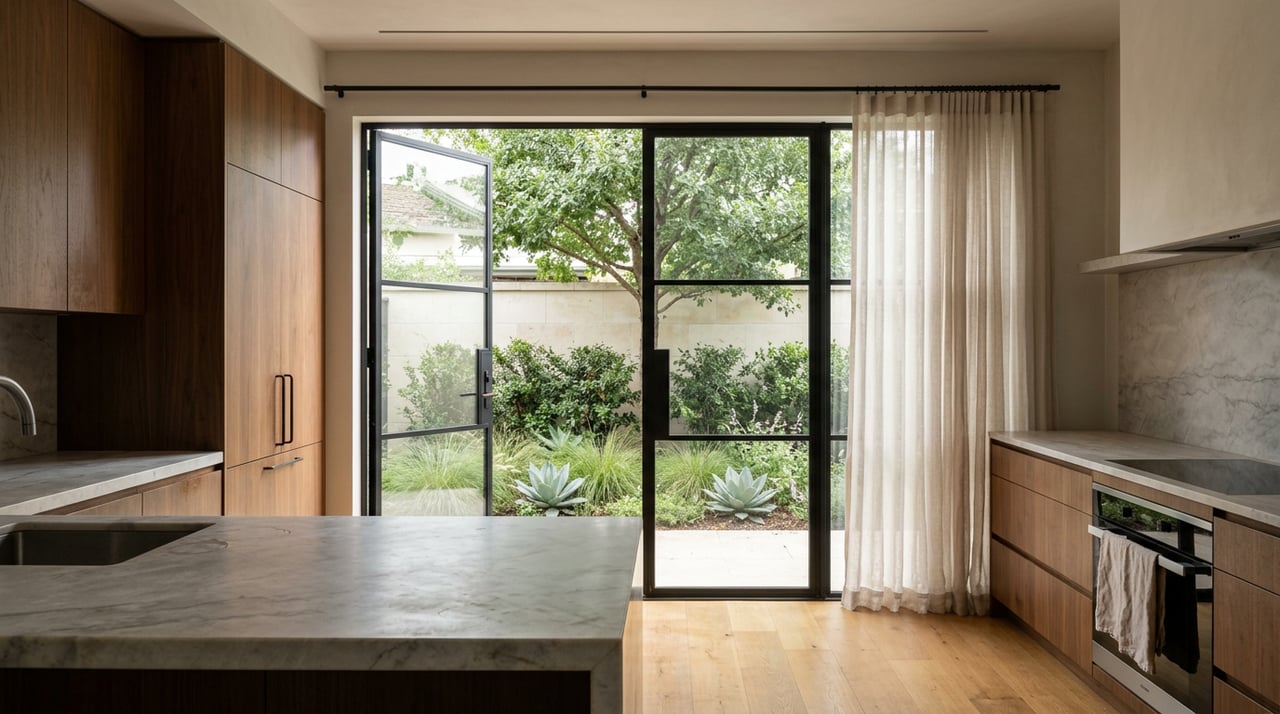
Kitchens in 2026 are moving away from all-white designs toward painted cabinets in deep colors like teal, dark blue, and taupe, with the trend emphasizing mixing painted cabinets with natural wood finishes, particularly white oak, to add warmth, alongside textiles including rugs, window treatments, and upholstered stools to soften the space.
The kitchen of 2026 is simultaneously a culinary workspace, a social hub, and a design statement. The integration of professional-grade appliances, custom cabinetry, natural stone countertops, and thoughtfully layered lighting creates a space that performs at the highest level while projecting the kind of warmth and character that makes guests want to gather and linger.
Frequently Asked Questions About Luxury Interior Design Trends and Austin Real Estate
How do interior design trends affect luxury home values in Austin?
Significantly and directly. Homes presented with current, sophisticated interiors consistently attract more buyer interest, generate stronger showing activity, and achieve more competitive sale prices. Buyers at the luxury level are visually literate and emotionally responsive to design quality. A home that reflects 2026 sensibilities with authenticity and craftsmanship communicates value beyond what any feature list can convey.
Which 2026 design trends offer the best return on investment for Austin sellers?
Biophilic elements, spa-caliber primary bathrooms, natural material finishes, and the replacement of dated all-white kitchens with warmer, more layered presentations consistently deliver strong returns. These updates speak directly to what the most active luxury buyers in Austin are seeking and can meaningfully influence both the speed and price of a sale.
Is it worth renovating before listing a luxury home in Austin?
It depends entirely on the property, its current condition, and its price point. In some cases, targeted updates to kitchens, primary suites, and exterior presentation deliver compelling returns. In others, the better strategy is pricing to reflect current condition and allowing the buyer to personalize. Kumara Wilcoxon evaluates this decision carefully with every seller, identifying where investment will genuinely move the needle and where it will not.
How should Austin homeowners approach incorporating design trends without over-designing?
The answer lies in restraint and coherence. Too many textures, colors, or statement pieces can overwhelm spaces and diminish functionality. Prioritizing key elements such as layered lighting, natural materials, and flexible layouts ensures trends enhance rather than clutter interiors. Working with a skilled designer who understands both the trends and the specific character of the home produces results that feel considered rather than assembled.
What design features do luxury buyers in Austin specifically prioritize?
Outdoor living integration, natural light, spa-quality primary suites, open and functional kitchen layouts, and a sense of warmth and personal character consistently rank among the highest priorities for luxury buyers in Austin's top neighborhoods. Properties that deliver on these dimensions attract the strongest buyer interest regardless of broader market conditions.
Explore Austin's Finest Homes With Kumara Wilcoxon
Design quality is one of the most powerful forces shaping how luxury properties are experienced, valued, and remembered. Whether preparing a home for sale or searching for a property that reflects a vision of elevated living, the guidance of an experienced Austin real estate professional makes the difference between a good outcome and an exceptional one. Visit
kumarawilcoxon.com to connect with Kumara Wilcoxon and begin exploring what Austin's luxury market has to offer.