West Lake Hills Or Downtown: Which Austin Lifestyle Fits You?
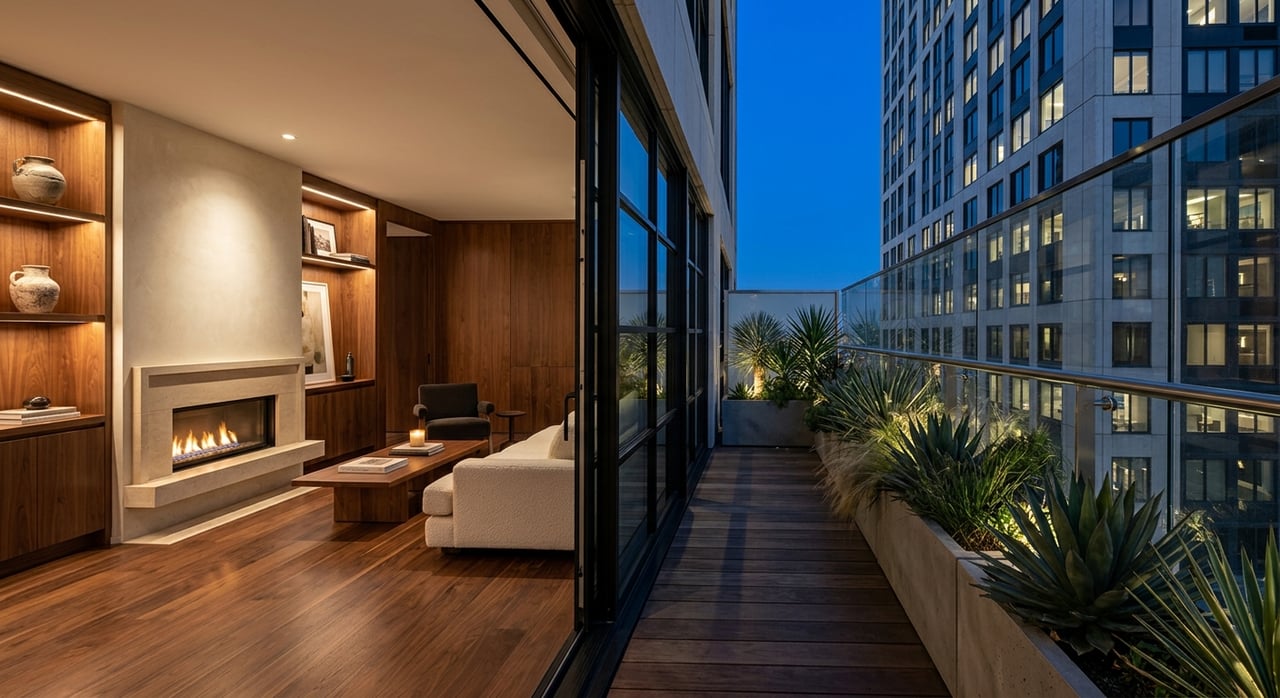
Choosing between West Lake Hills and Downtown Austin is less about which area is "better" and more about how you want to live. One offers privacy, larger homesites, and a quieter residential setting. The other puts you close to trails, restaurants, arts, and a more walkable daily rhythm. If you are deciding where your next Austin chapter should unfold, this guide will help you weigh the lifestyle tradeoffs with more clarity. Let’s dive in.
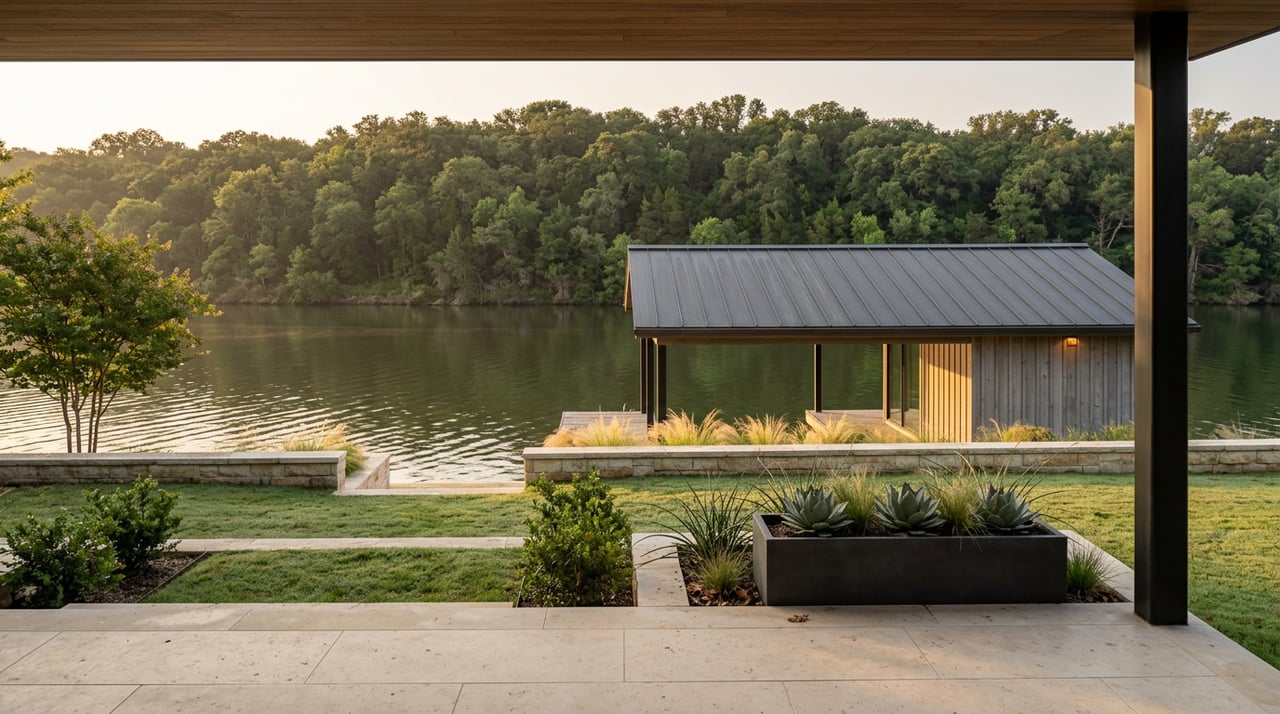
West Lake Hills and Downtown Austin were shaped with different goals in mind, and that difference shows up in daily life. West Lake Hills describes itself as a residential community on the west bank of Lake Austin with an emphasis on preserving natural, wooded, rural character, scenic views, creeks, wildlife, and relatively low population density.
Downtown Austin, by contrast, is planned as a dense and livable urban core. City planning documents point to a vibrant mixed-use environment, multi-modal transportation, trails, and a wide range of housing choices. In simple terms, West Lake Hills is designed to feel more secluded, while Downtown is designed to keep you connected.
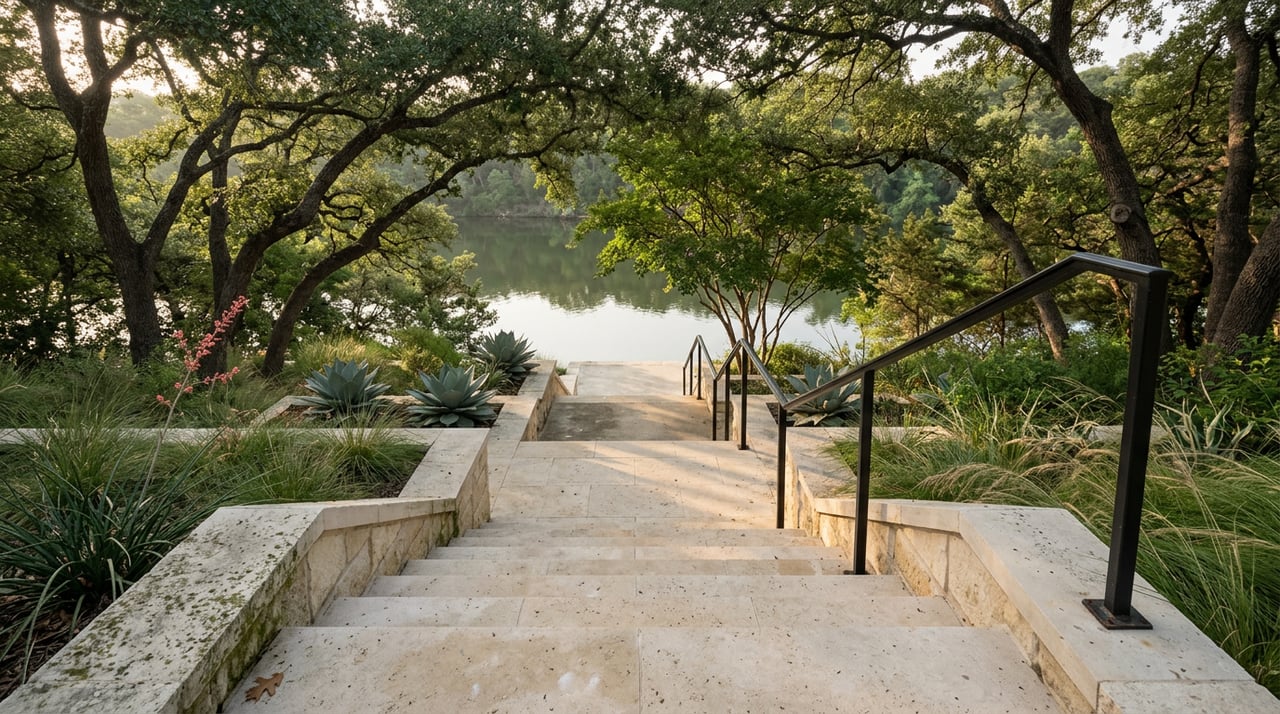
If you are drawn to calm surroundings, natural topography, and more separation from the pace of the city center, West Lake Hills may feel like the right fit. The city’s planning framework supports a lower-density residential environment that prioritizes wooded landscapes, scenic preservation, and a distinctive hill country setting.
That often translates to a more private day-to-day experience. Homes are generally shaped by the land around them, and the overall feel is more site-sensitive and residential than urban. For many buyers, that sense of retreat is the main appeal.
Life in West Lake Hills tends to be more car-centered and more intentional. You are close to Austin, but you are not in the middle of its constant movement. That can be a major advantage if you value quiet mornings, mature trees, and space around you.
The city brochure also points to nearby conveniences like the Village at Westlake Shopping Center, Westlake Athletic & Community Center, Westlake Community Performing Arts Center, Eanes History Center, and the Westbank Community Library District. So while the setting feels more residential, you still have local amenities woven into everyday life.
Owning in West Lake Hills can be more hands-on than owning a downtown condo. The city participates in Firewise and regional wildfire planning, and residents may need to think through evacuation planning, fire-safe landscaping, tree and vegetation rules, septic systems, wastewater connections, and drainage or public-works considerations.
For some buyers, that level of stewardship feels worthwhile because it helps preserve the area’s character. If you like the idea of land, views, and a stronger connection to the natural setting, this can be part of the appeal rather than a drawback.
Downtown Austin offers a very different version of luxury living. The city’s planning goals emphasize density, walkability, mixed-use districts, and a day-to-night environment that keeps dining, culture, and recreation close at hand.
If you want to step outside and feel plugged into the city, Downtown is built for that experience. Its development pattern is more vertical and compact, with greater height and density supported in some areas through city programs tied to streetscape and community-benefit requirements.
Downtown living is about convenience and access. You are closer to restaurants, retail, arts, office towers, and pedestrian activity, especially in areas such as the 2nd Street District, where the city’s goal has been a dense, walkable urban experience.
The outdoor experience also looks different here. Instead of hill-country privacy, you get an urban waterfront setting anchored by the Butler Trail at Lady Bird Lake, which draws more than 2.6 million visits a year and connects you to skyline views, neighborhoods, ball fields, and cultural attractions.
Owning Downtown usually means trading land stewardship for building logistics. Buyers should think about garage access, monthly parking costs, on-street parking rules, and how building policies may shape the ownership experience.
The city also supports downtown parking through public garages, Park ATX, residential permit parking, and an Affordable Parking Program with monthly options. That does not mean parking is effortless, but it does mean the system is more structured than in a low-density residential setting.
Your daily movement through Austin may be one of the biggest deciding factors. West Lake Hills sits about six miles west of Downtown Austin and connects through Bee Cave Road, Redbud Trail, Loop 360, and MoPac, also known locally as Loop 1.
TxDOT identifies Loop 360 as primary access for far west Austin and notes rush-hour congestion, which means timing matters. If you choose West Lake Hills, your routine may be more sensitive to peak traffic and more dependent on driving.
Downtown offers a broader range of mobility options. CapMetro provides frequent bus service and commuter rail access to downtown, which can make it easier to move around without relying on your car for every trip.
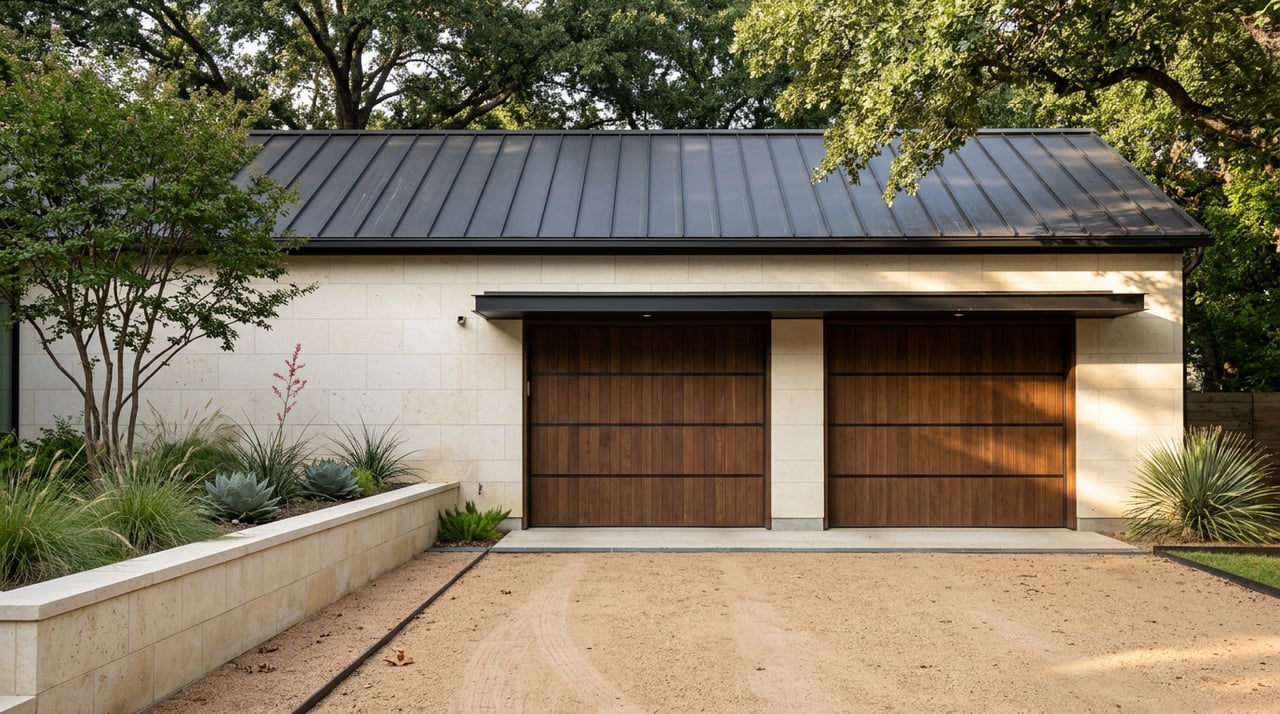
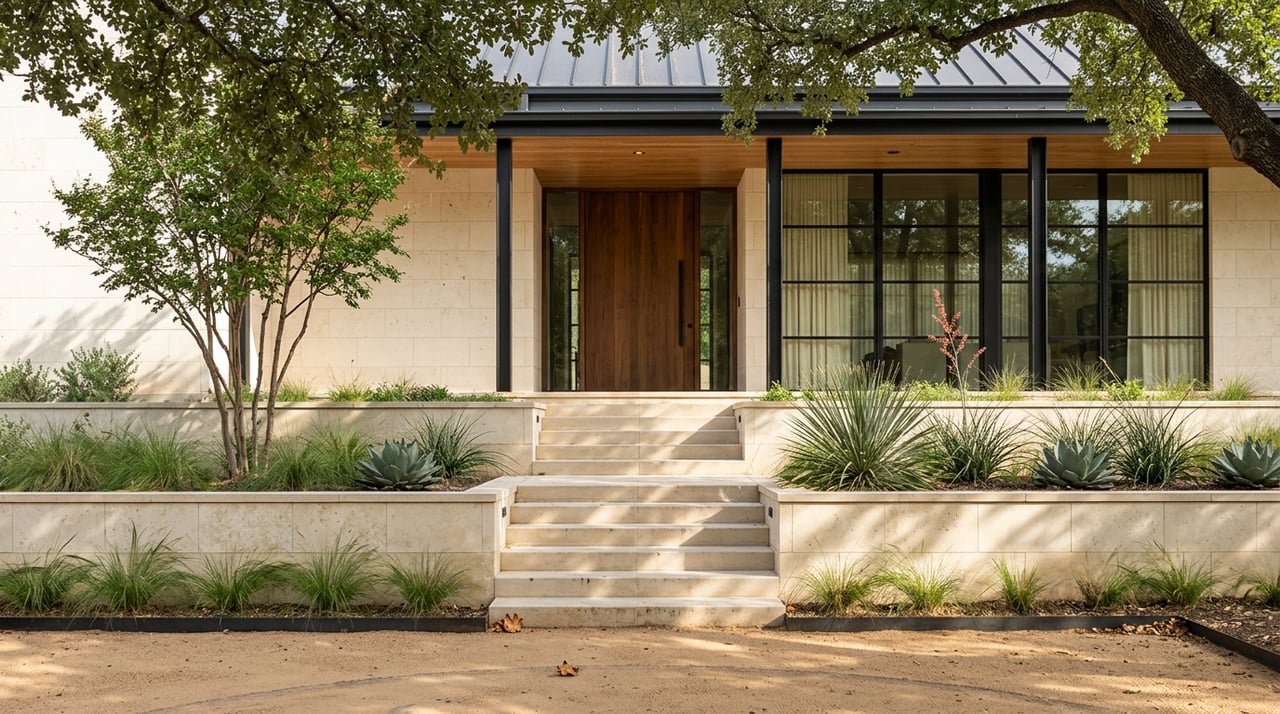
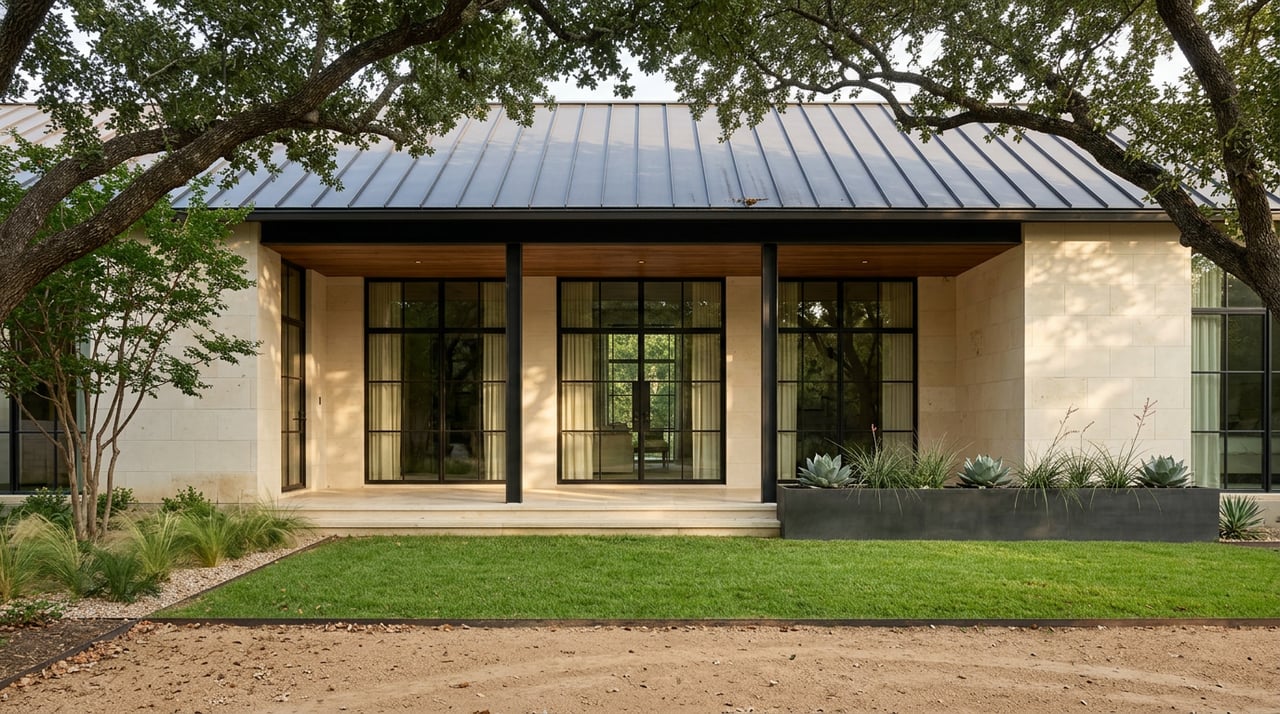
The visual experience of these two areas is almost the whole story. West Lake Hills tends to align with detached homes, lower-density development, and larger landscape-driven lots. The planning direction clearly favors preserving rural character and limiting intensity.
That supports a lifestyle centered on privacy, tree canopy, and hill-country views. If you want a home that feels tucked into the terrain, West Lake Hills may offer the kind of setting you are after.
Downtown Austin offers a more vertical housing experience. Here, views are often about skyline lines, water, lights, and city energy rather than seclusion. For buyers who love architecture, lock-and-leave convenience, or luxury condo living, that contrast can be a major draw.
West Lake Hills often appeals to buyers who want:
It can be especially compelling if you want Austin access without feeling immersed in the city core all day.
Downtown Austin often appeals to buyers who want:
If your ideal day includes stepping out for coffee, dinner, a trail walk, or cultural events without planning a drive, Downtown may feel more natural.
If school assignment is part of your move, it is important to verify by property address rather than rely on general assumptions. Eanes ISD says campus zoning is determined by street address and provides boundary tools for buyers in West Lake Hills.
Downtown buyers should verify the same way with Austin ISD, which assigns students by attendance area and feeder pattern. In both locations, the home you choose can affect zoning, so address-level confirmation matters.
A helpful way to frame this decision is to think about what you want more of every week, not just what looks best on paper. If you want privacy, natural scenery, and a more residential atmosphere, West Lake Hills may align better. If you want access, energy, and a walkable urban routine, Downtown Austin may be the stronger fit.
For many luxury buyers, the answer also comes down to property type. A view-driven estate or architect-designed home in West Lake Hills creates one kind of experience. A refined condo or design-forward residence Downtown creates another. The right choice is the one that supports how you actually want to live.
Austin luxury is rarely a one-size-fits-all decision. If you want guidance tailored to your priorities, property criteria, and timing, working with an advisor who understands both settings can make the search far more strategic. When you are ready to explore West Lake Hills, Downtown, or both, connect with Kumara Wilcoxon for thoughtful, market-savvy guidance.
Stay up to date on the latest real estate trends.
An Insider's Guide to Luxury Homebuying in Austin.

Ranked No. 1 in Austin, No. 2 in Texas, and No. 31 nationwide by 2026 RealTrends Verified sales volume.
Global Connections. Local Expertise. World Class Marketing.
Let me know how I can assist you.
