Why Lake Austin Reopened Two Days Before Lady Bird Lake Did
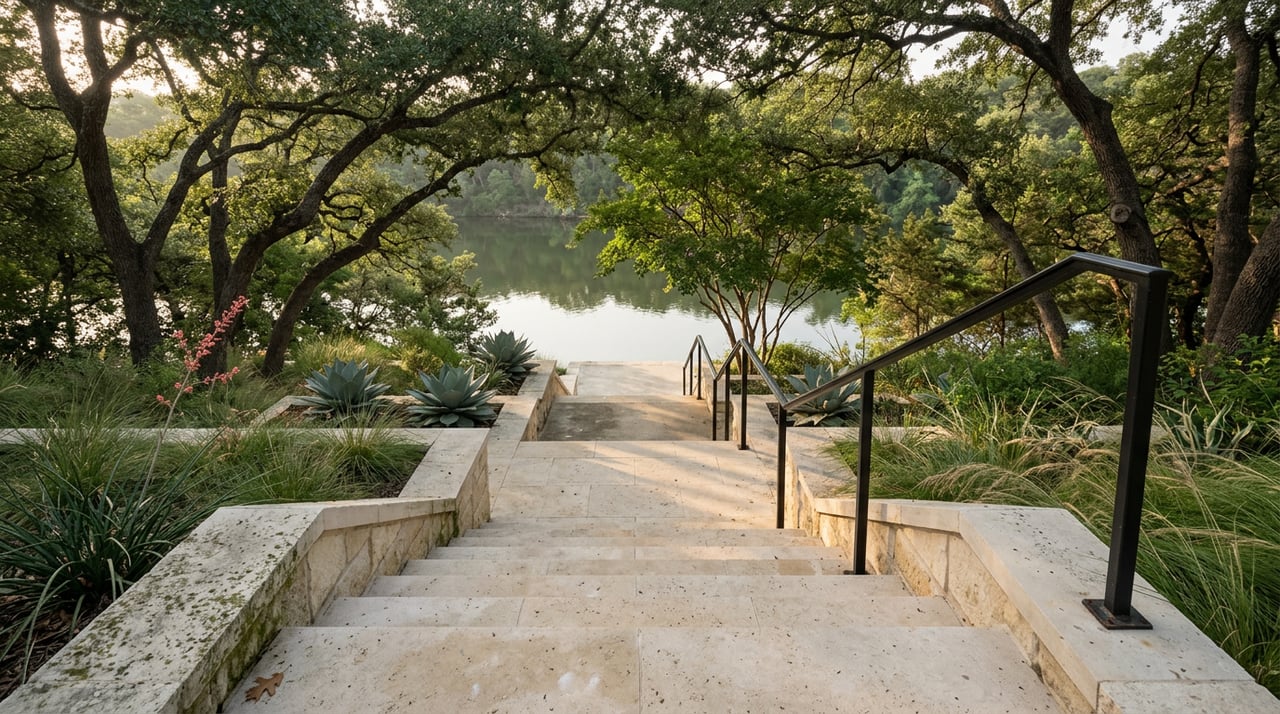
For eight days in mid-July, the water behind your dock did something it almost never does. It moved. Mansfield Dam opened its floodgates for the first time since 2019, pushing fast, debris-choked water down through Lake Austin and out through Tom Miller Dam. Boats sat tied to their slips. Kayaks stayed racked. The lake that residents usually describe as glassy ran the color of the Hill Country creeks that had just fed it.
If you were only half paying attention, the story seemed simple: the city banned all water activity on Lake Austin, Lady Bird Lake, and the Colorado River below Longhorn Dam on July 17, extended that ban twice, and eventually lifted it. One order, one lake, one timeline. But if you happened to notice when things actually reopened, you'd have caught a distinction that was easy to miss. Your stretch of water came back online on July 25. The stretch downtown didn't clear until July 27, and even then only after a weekend water rescue on the Colorado River south of Longhorn Dam made the case for keeping restrictions in place a little longer. Same ban. Same headline. Two different lakes, recovering on two different schedules.
Lake Austin sits between two structures, both operated by the Lower Colorado River Authority: Mansfield Dam upstream, Tom Miller Dam downstream. That is the whole reservoir, roughly 20 miles of constant-level water held in place by a dam on each end. When the floodgates at Mansfield closed on July 22, and the release rate through Tom Miller eased through the following days, the water inside Lake Austin itself calmed enough for the city to let the ban expire there at 5 p.m. on July 25.
Lady Bird Lake and the river below Longhorn Dam are a separate hydraulic problem entirely. That stretch sits downstream of Tom Miller and above Longhorn, which means it kept receiving whatever Tom Miller was still passing through, even after Lake Austin had already calmed down. The city's own announcement on July 25 said as much: LCRA planned to keep multiple floodgates open at Tom Miller through the weekend, so unsafe conditions were expected to continue on Lady Bird specifically, not on Lake Austin. That forecast proved accurate. A water rescue happened on the Colorado River south of Longhorn Dam the following Sunday, while the extended ban was still in effect. The full lift came Monday morning, July 27, once floodgate operations at both Tom Miller and Longhorn had wound down.
Kirk Haney, whose family runs Lake Austin Riverboats and Austin Duck Adventures, made the same argument the dam sequence eventually proved out. He wanted the city to stop treating Lake Austin and Lady Bird as one body of water.
KXAN quoted Haney describing the lake as "extremely maintained and controlled."
Haney estimated the eight days out of commission cost his operations roughly $55,000, with about 20 staff unable to work during the closure. Paul Mahler, who owns the same pair of businesses, later put the total loss nearer $50,000 and said what most operators along the water actually wanted wasn't a shorter ban. It was a clearer one, since two-day extensions kept arriving with almost no warning. By the time the city officially reopened everything on July 27, health guidance still recommended a few more days of caution, since bacteria levels typically take at least three days after stormflow to return to normal. The first weekend that felt genuinely back to normal, with paddleboards out, sightseeing boats running, and docks busy again, didn't arrive until August 1, roughly two weeks after the first floodgate opened.
If you live on this side of Tom Miller Dam, the practical disruption was closer to eight days than two weeks. That distinction was easy to miss if you only skimmed the bulletins for the headline.
While the water above the surface was making news, the water below it was having its own separate season. Hydrilla, the invasive aquatic plant that has spread through Lake Austin on and off for 25 years, came back hard in 2025 and 2026, and depending on who you ask, that's either a problem or the best thing to happen to the lake in years.
| Survey period | Hydrilla coverage | Share of the lake |
|---|---|---|
| September 2025 | 456 acres | about 30 percent |
| February 2026 | 592 acres | about 37 percent |
| June 2026 | slightly lower than February, exact acreage not released | about 37 percent combined with milfoil |
Austin Watershed Protection's June memo to the mayor and city council described a slight decrease in hydrilla itself, even though the combined total of hydrilla and Eurasian watermilfoil held basically steady since February. The geography shifted more than the total did: hydrilla noticeably thinned out near Ski Shores, while it expanded near Bull Creek and Bee Creek, two tributaries that feed the lake from opposite ends. The city had already responded on May 1 by releasing 2,790 additional sterile grass carp near Tom Miller and Mansfield dams, pushing carp density from about five to eight fish per acre of hydrilla, with another stocking likely once the fall 2026 survey comes back.
Ask a donut-boat operator what this means and you'll get a different answer than you'll get from a bass angler. Jacob Ballin, operational manager at Lake Austin Calm, said the business's paddleboard rentals move through the hydrilla just fine, but the plant keeps fouling the propellers on its donut boats. A fishing influencer who moved to Texas specifically to fish these waters told KXAN, "the grass is here and it's beautiful, it's clean." The lake's own watershed staff frame it as a balancing act, not a fight to win outright, since hydrilla in moderate amounts still oxygenates the water and gives fish somewhere to hide. The carp program exists to keep the plant in check, not eliminate it, and that middle path is exactly why residents on opposite ends of a paddleboard versus a bass boat can look at the same water this August and see two different lakes.
By the numbers, the lake is back where it's supposed to be. Lake Austin was reported at 96.7 percent full as of August 13, a normal working level for late summer, meaning docks and boat ramps have settled back to the heights residents expect this time of year after briefly surging past capacity during the July release.
The restaurant row along the water has kept moving through all of it. Ski Shores Café, on Pearce Road since 1954, went through a full renovation under MML Hospitality, the group behind chefs Larry McGuire and Tom Moorman and hotelier Liz Lambert. The revamped spot now runs a lodge-style dining room, fire pits, a pickleball court, and a rebuilt playscape alongside the same lakeside patio that's been drawing boaters for seven decades. Pop star Dua Lipa reportedly stopped by during an Austin dining swing and posted photos with a lobster roll, which tells you the renovation landed the way it was supposed to.
A few minutes down the water, Hula Hut has run its tiki-and-Tex-Mex docks since 1993 largely unchanged, still pulling boats up to the same pier it always has. Next door, Quince Lakehouse took over the old Abel's on the Lake building at the Oyster Landing site, building out an international menu with Peruvian and New Orleans influences and accommodating up to 500 guests across indoor dining, a patio, and a rooftop. Mozart's Coffee Roasters, sharing that same stretch, keeps its patio full through the summer and brings back its holiday light show later in the year. All three sit close enough to the Tarrytown line that residents on either side of the boundary treat this stretch as one shared front porch.
Living on Lake Austin means reading two dams, not just the sky. The rain that flooded the Hill Country in mid-July was the headline. The sequence of gate operations at Mansfield, Tom Miller, and Longhorn was the actual story, and it explains why your dock cleared before your friend's did a few miles downstream. The lake under the surface is running its own version of the same lesson: what looks like one body of water is really several different systems, each recovering, growing, or clearing out on its own schedule.
For more on this stretch of the Colorado River and the neighborhoods that sit along it, visit the Lake Austin neighborhood guide from Kumara Wilcoxon, or reach out anytime you want a local read on what's actually happening at the water line.
Stay up to date on the latest real estate trends.
An Insider's Guide to Luxury Homebuying in Austin.

Ranked No. 1 in Austin, No. 2 in Texas, and No. 31 nationwide by 2026 RealTrends Verified sales volume.
Global Connections. Local Expertise. World Class Marketing.
Let me know how I can assist you.
