Relocating To Austin’s Luxury Neighborhoods: A Practical Roadmap
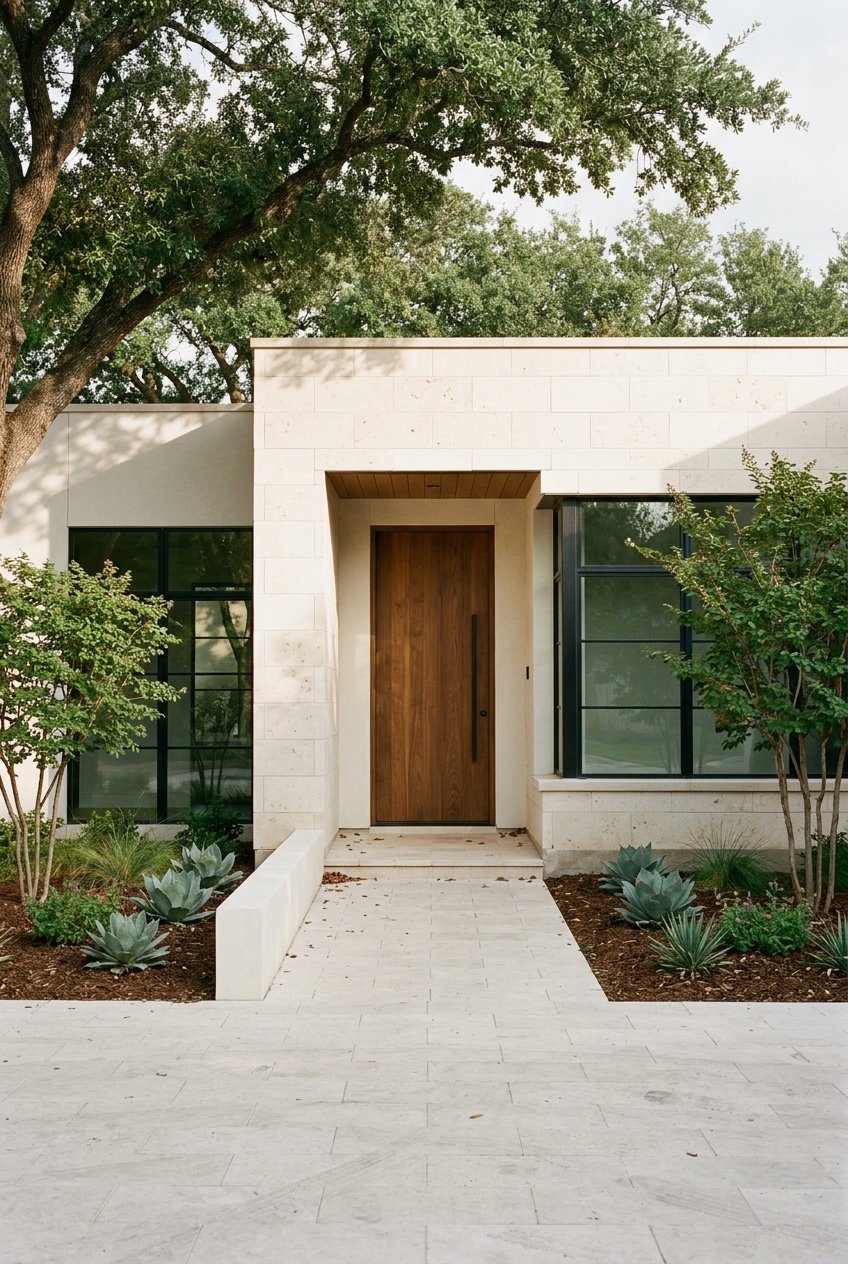
If you are moving to Austin’s luxury market, the biggest mistake is starting with price alone. A $2 million budget can mean something very different in West Lake Hills than it does in Tarrytown, along Lake Austin, or in a Downtown condo tower. When you understand how each area lives day to day, your search becomes faster, sharper, and far less stressful. Let’s dive in.
Austin is no longer moving at the same speed it did during the peak pandemic years, but that does not mean every luxury buyer can take a relaxed approach. Recent market snapshots show a more measured pace citywide, with median prices in the low to mid-$500,000s, roughly 4.5 months of inventory, and homes averaging about two offers. That is helpful context, but it is not a reliable shortcut for luxury decision-making.
In Austin’s upper-tier neighborhoods, the details matter more than the city median. Lot size, views, waterfront access, privacy, property type, and address-specific factors often shape value more than broad market headlines. If you are relocating from out of state, that is why a neighborhood-first plan usually works better than a price-first search.
Many relocation buyers begin by asking where the most prestigious homes are. That question is understandable, but it is usually not the most useful one. A better question is how you want your daily life to feel once you are here.
In Austin, luxury neighborhoods tend to sort themselves by lifestyle fit. Some buyers want privacy and hillside settings. Others want waterfront living, historic character, or a lock-and-leave condo in the urban core. Once you define that clearly, your shortlist becomes much easier to build.
West Lake Hills is a separate incorporated village known for preserving a rural environment and natural beauty. It is often the first stop for relocation buyers who want larger lots, hillside settings, and a greater sense of privacy. Current market data places the median around $2.7 million, which gives you a realistic sense of the entry point for many searches here.
For many buyers, West Lake Hills feels removed from the city without being far from it. Homes can vary widely, from lower-price luxury opportunities to trophy estates priced far above the median. If this area is on your list, remember that school zoning is address-specific and should be confirmed by official district boundary tools rather than assumed from a neighborhood name.
Lake Austin is less a single neighborhood and more a luxury waterfront corridor. Davenport Lake Austin is a useful proxy for this part of the market, with a reported median sale price around $1.9 million and meaningful variation from attached homes under $1 million to estates above $4 million. If you want water access, views, or dock potential, this area deserves close attention.
Waterfront buying also requires a more technical level of diligence. Floodplain review should be part of your early screening, especially for lake-adjacent and creek-adjacent properties. If a boat dock matters to you, confirm whether approvals are already in place, because the City of Austin notes that an approved site plan is required before applying for a residential or commercial dock permit.
Tarrytown is one of the strongest options for buyers who want an established neighborhood close to central Austin. The area is described in the city’s planning materials as having a mix of grid and curving streets, with nearby civic and recreation amenities along the Lake Austin and Lady Bird Lake edge. Realtor.com shows a median listing price of about $1.8725 million, with recent sales ranging widely based on size, condition, and house type.
For many relocation buyers, Tarrytown strikes a balance that is hard to find elsewhere. It offers mature trees, a neighborhood-scale feel, and close-in convenience without the density of Downtown. If your priority is a traditional residential setting with quick access to central Austin, this is often a smart place to start.
Old West Austin tends to attract buyers who want central-city convenience with architectural character. The area includes a large inventory of historic dwellings and a broad mix of architectural styles, which gives it a distinct feel compared with newer luxury pockets. Current market snapshots place the median sale or listing price around $1.4 million to $1.5 million, though actual values can vary sharply based on lot, condition, and preservation context.
If you are drawn to older homes, this area can be especially compelling. It also requires extra attention before you make a move. In historic districts and preservation-sensitive areas, exterior changes and additions may face added review, so it is wise to understand those limits early in your search.
Downtown Austin is the best fit for buyers who want walkability, full-service condo living, and an urban lifestyle. The city describes Downtown and the 2nd Street District as part of a dense, walkable core, and pricing reflects the wide range of product available. Downtown Austin shows a median listing price around $775,000, while premium subdistricts such as 2nd Street can reach about $1.8 million.
If you do not need land or a large yard, Downtown can be an efficient and polished option. It often works well for buyers who split time between cities or want a lower-maintenance home base. In practice, your exact experience will depend heavily on the building, services, floor plan, views, and subdistrict.
These ranges are best used as working guides, not fixed rules. In Austin luxury, pricing can shift quickly based on renovation quality, lot type, waterfront access, and view corridors.
These ranges are most useful when paired with your actual goals. If you want privacy, a view, and a newer home, one budget may stretch very differently than it would for a historic property or a high-floor condo.
Relocation buyers can save a great deal of time by doing a few checks before setting foot in Austin. This is especially true when you are comparing very different property types across central neighborhoods, hillside sites, and waterfront homes.
If school assignment matters to your move, verify it using the official district tools. Eanes ISD states that zoning is determined by street address and should be confirmed through its boundary map. Austin ISD also offers a school finder, which can be useful for central Austin searches.
Floodplain review should happen early if you are considering Lake Austin, creek-adjacent lots, or steep hillside parcels. The City of Austin says about 10% of land in Austin is in the floodplain, and development in those areas is regulated. That does not automatically rule out a property, but it does mean you should understand the site before making assumptions about value or future plans.
If your vision includes lake access or a private dock, do not wait until late in the process to investigate. The city notes that an approved site plan is required before applying for a residential boat dock permit. For waterfront buyers, that makes permitting history and site feasibility an important part of standard due diligence.
In Old West Austin and nearby central neighborhoods, verify whether the home sits in a local historic district or under a neighborhood plan that affects exterior work. The City of Austin states that locally designated historic districts carry the strongest protections and require added review. If you are planning a renovation, this step can shape both timeline and budget.
If occasional rental income is part of your ownership plan, Austin’s local rules matter. The city regulates short-term rentals through ordinance and licensing, and updated rules allow short-term rentals as an accessory use in all residential zoning districts when properly licensed. The city also states that platform enforcement for unlicensed listings begins July 1, 2026.
If you are relocating on a tight timeline, a practical roadmap can keep the process focused.
Choose your top two or three non-negotiables first. That may be privacy, walkability, waterfront access, historic character, or a lock-and-leave setup. This gives your search direction before you start comparing listings.
Narrow your options to a few areas that match how you want to live. For many buyers, that means comparing West Lake Hills, Lake Austin, Tarrytown, Old West Austin, and Downtown side by side. This is usually more effective than searching all of Austin at once.
Use current neighborhood-level pricing to establish a practical range. That range should leave room for trade-offs around lot, condition, age, and views. In Austin luxury, stretching for the right location can matter more than buying the largest house.
Before you travel in for tours, review address-specific items that could affect your decision. School zoning, floodplain status, dock approvals, historic review, and rental rules can all change how suitable a property really is. This step helps you avoid wasted time.
When you visit homes, compare them against your lifestyle goals, not just finish level. A beautiful home in the wrong setting can still be the wrong purchase. The best relocation decisions usually come from matching the property to the way you plan to live in Austin.
In a market like Austin, luxury buying is rarely just about what is online. The most compelling opportunities can vary by timing, property type, and neighborhood dynamics. That is especially true when you are balancing discretion, design standards, and a compressed relocation timeline.
A strong local advisor helps you interpret more than list price. You need someone who can help you compare neighborhoods clearly, spot issues that deserve deeper diligence, and identify homes that truly align with your move. In Austin’s top-tier market, that kind of judgment can make your search feel far more precise.
If you are planning a move into Austin’s luxury neighborhoods, the smartest next step is a focused conversation about your priorities, timeline, and ideal fit. Kumara Wilcoxon brings deep Austin luxury market knowledge, strong relationships, and a highly tailored approach to helping buyers navigate West Lake Hills, Lake Austin, Tarrytown, Old West Austin, Downtown, and beyond.
Stay up to date on the latest real estate trends.

An Insider's Guide to Luxury Homebuying in Austin.

Ranked No. 1 in Austin, No. 2 in Texas, and No. 31 nationwide by 2026 RealTrends Verified sales volume.
Global Connections. Local Expertise. World Class Marketing.
Let me know how I can assist you.
