Living in Travis Heights, Austin: A Guide to Daily Life
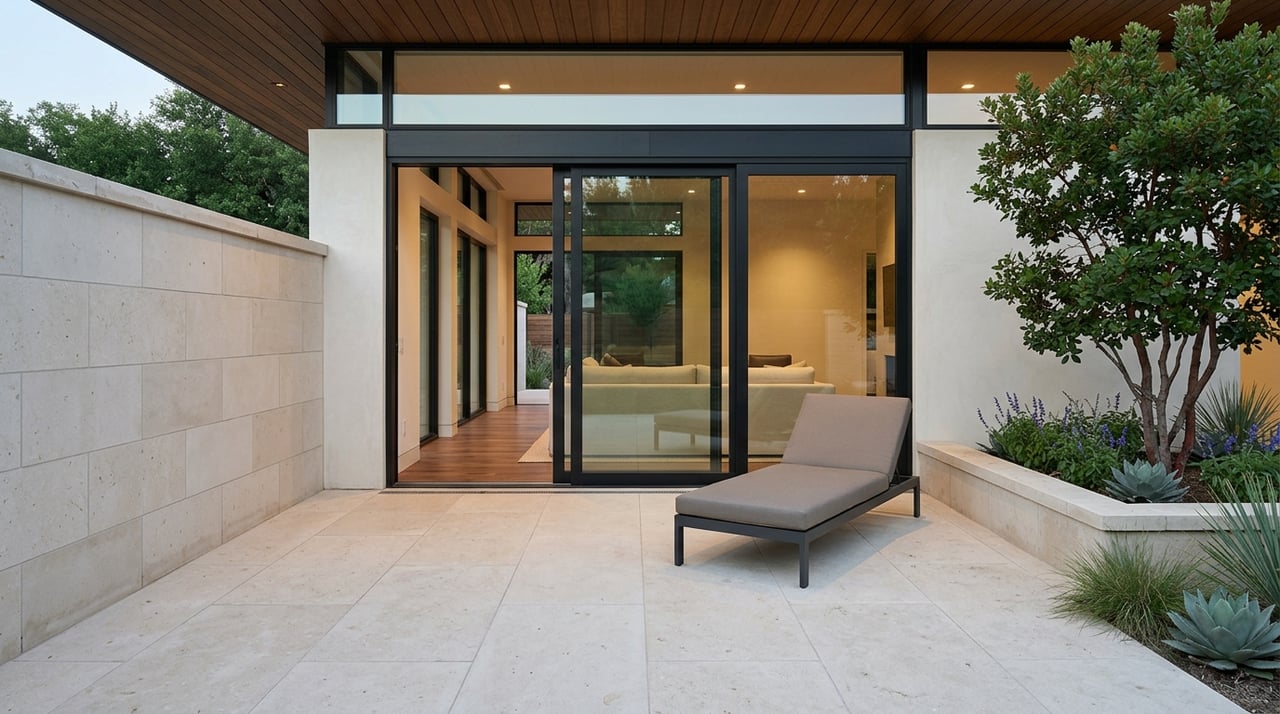
If you want central Austin access without giving up tree cover, park space, and a sense of neighborhood history, Travis Heights stands out quickly. It offers a rare mix of residential streets, creek-side green space, and an active South Congress edge that shapes daily life in a very real way. For buyers considering the area, the question is not just where Travis Heights is, but how it actually feels to live there now. Let’s dive in.
Travis Heights is a close-in Austin neighborhood in City Council District 9, the same central district that includes Downtown and the central business district. That location matters because it puts you near some of the city’s most active urban destinations while still giving you a clearly residential home base.
The neighborhood’s roots go back to 1913, when General William Harwood Stacy and his sons began developing it with a mix of grid and curving streets, varied lot sizes, and deed restrictions intended to keep the area residential. Over time, smaller bungalows and cottages were added on subdivided lots, which helps explain why the housing pattern still feels layered and distinct today.
One of the defining realities of living in Travis Heights today is that it is mostly residential in character, but not isolated from city life. Inside the neighborhood, you find residential streets, older homes, and a park corridor that creates breathing room.
Along its western edge, South Congress brings a very different rhythm. The South Congress Business District, south of Lady Bird Lake and stretching from Live Oak to Riverside Drive, is described by the City of Austin as an iconic corridor known for shopping, dining, people-watching, unique shops, live music, and a mix of casual cafes and fine dining.
That means daily life here often moves between two modes. At home, the setting can feel shaded, established, and residential. Just a short distance away, South Congress becomes the neighborhood’s main social and commercial zone for coffee, meals, errands, and evenings out.
Travis Heights does not rely on branding alone for its charm. Its historic appeal comes from the original subdivision layout, older housing stock, and the way green space is woven through the neighborhood.
The Travis Heights-Fairview Park National Register Historic District includes the park corridor, and the historic record ties that landscape to 1930s public works projects, including trails and the completion of Big Stacy Pool in 1937. In practical terms, that history still shapes how the neighborhood feels when you move through it today.
You notice it in the street pattern, the mature setting, and the relationship between homes and open space. For buyers who value architecture, established surroundings, and a sense of place, that combination is a meaningful part of the neighborhood’s appeal.
Travis Heights offers something many close-in neighborhoods cannot match as easily: a connected green corridor right in the middle of daily life. Big Stacy Neighborhood Park, Little Stacy Neighborhood Park, and the Blunn Creek Greenbelt all sit within the neighborhood’s immediate orbit.
Blunn Creek flows through the center of Big Stacy Park and Little Stacy Park before emptying into Lady Bird Lake. City documents describe the corridor as a greenbelt forest and stream amenity for walkers, hikers, and wildlife observers, with mature sycamore and live oak canopy along parts of the route.
That gives the neighborhood a distinctly softer, more natural feel than you might expect this close to Downtown. You can go from an active commercial corridor to shaded creek paths and parkland in a very short span.
It is also worth knowing that parts of the corridor are being restored as a grow zone. Some stretches may appear taller and less manicured as vegetation recovers, which reflects ecological restoration rather than neglect.
Big Stacy Pool and Little Stacy Wading Pool play a real role in the neighborhood lifestyle. Big Stacy Pool at 700 E Live Oak St. is a free outdoor city pool, and Little Stacy Wading Pool at 1401 Sunset is also free.
These amenities add another layer to how Travis Heights lives on a day-to-day basis. They create places to cool off, gather outdoors, and enjoy the neighborhood without needing to leave for larger destination amenities.
For many buyers, this is part of what makes Travis Heights feel unusually balanced. It combines centrality with recreation in a way that supports both active routines and slower weekends.
Another major lifestyle benefit is access to the Ann and Roy Butler Hike-and-Bike Trail at Lady Bird Lake. The 10-mile loop sees more than 2.6 million visits a year, and the boardwalk and trail system also serves as an alternative transportation route for Austin’s urban core.
One access point is off the Riverside Drive sidewalk at Blunn Creek, which gives Travis Heights residents a practical connection to the lakefront trail network. If you like to walk, run, bike, or simply move through the city outdoors, that access can become part of your normal routine.
This is one of the reasons Travis Heights feels different from many other central neighborhoods. The neighborhood is not only near urban amenities. It is also closely tied to a major recreational and mobility corridor.
For many residents, South Congress is not just nearby. It is part of everyday life. The corridor functions as a gathering zone for dining, shopping, casual meetups, and evenings out, which gives Travis Heights a lively, urban-adjacent quality.
That energy is a real asset, but it comes with tradeoffs you should understand. The city began paid parking and related parking rules in the South Congress area in September 2023 to address long-standing parking issues.
In simple terms, demand is high. If you live in Travis Heights, you benefit from being close to one of Austin’s most active commercial districts, but you should also expect parking and circulation around South Congress to be part of the routine.
Travis Heights appeals to buyers who want close-in convenience, and the transportation picture supports that. CapMetro’s 801 North Lamar/South Congress Rapid route travels along South Congress and connects Tech Ridge to Southpark Meadows by way of UT and downtown.
That gives the neighborhood a direct transit link into the city’s core. Combined with trail access, bike options, and the neighborhood’s central location in District 9, it can be very workable to get downtown without relying on a car for every trip.
Of course, your experience will depend on where exactly you live and where you go most often. Still, the overall pattern is clear: Travis Heights is deeply connected to central Austin’s mobility network.
Many Austin neighborhoods offer one or two strong lifestyle features. Travis Heights stands out because several of them overlap in the same place.
You have historic streets and older homes. You have creek-side parks, greenbelt access, free city pools, and a direct relationship to Lady Bird Lake. And you have South Congress nearby, with its dining, retail, live music, and steady activity.
That combination creates a specific kind of inner-city lifestyle. It feels residential, but not removed. It feels central, but not purely hard-edged or fully built out.
For design-conscious and lifestyle-driven buyers, that blend is often the point. Travis Heights offers a setting where architecture, nature, and urban access all shape the experience of living there now.
Travis Heights can be a strong fit if you want a neighborhood that feels established and close to the center of Austin. It may especially appeal to buyers who value character, outdoor access, and a more layered streetscape than newer urban districts often provide.
It can also suit buyers who enjoy being near activity without living directly inside the most commercial parts of the city. The South Congress edge brings energy, while the interior of the neighborhood remains more residential in origin and feel.
If your priorities include walkability, park access, central positioning, and homes with architectural personality, Travis Heights deserves a serious look. The experience is less about one headline feature and more about how many quality-of-life elements come together in one place.
Travis Heights continues to attract buyers who want an Austin neighborhood with both presence and practicality. If you are considering a move here, working with an advisor who understands the area’s housing mix, historic context, and lifestyle nuances can make all the difference. To explore Travis Heights homes or discuss your goals in Austin’s luxury market, connect with Kumara Wilcoxon.
Stay up to date on the latest real estate trends.
An Insider's Guide to Luxury Homebuying in Austin.

Ranked No. 1 in Austin, No. 2 in Texas, and No. 31 nationwide by 2026 RealTrends Verified sales volume.
Global Connections. Local Expertise. World Class Marketing.
Let me know how I can assist you.
